How the Nocatee Master Planned Community Fits Busy Families
February 19, 2026
February 19, 2026
If you could cut your weekday driving in half, what would that give back to your family? In Nocatee, many routines shift from car time to cart, bike, and short-hop trips, which is why busy families look here first. In this guide, you’ll learn how Nocatee is organized, what the CDD and HOAs actually do, how amenity access works, and how to budget with real numbers. You’ll also get a simple checklist to avoid surprises. Let’s dive in.
Nocatee is a large, purpose-built master-planned community with a Town Center, village-style neighborhoods, and on-site amenities designed so you can handle most daily needs close to home. A major part of the plan is the Greenway trail network that connects villages to parks and the Town Center. The Greenway covers more than 5,000 acres, with significant conservation space throughout, which supports short, low-stress trips for school, sports, and errands. You can explore the trail system on the official page for the Nocatee Greenway and trails.
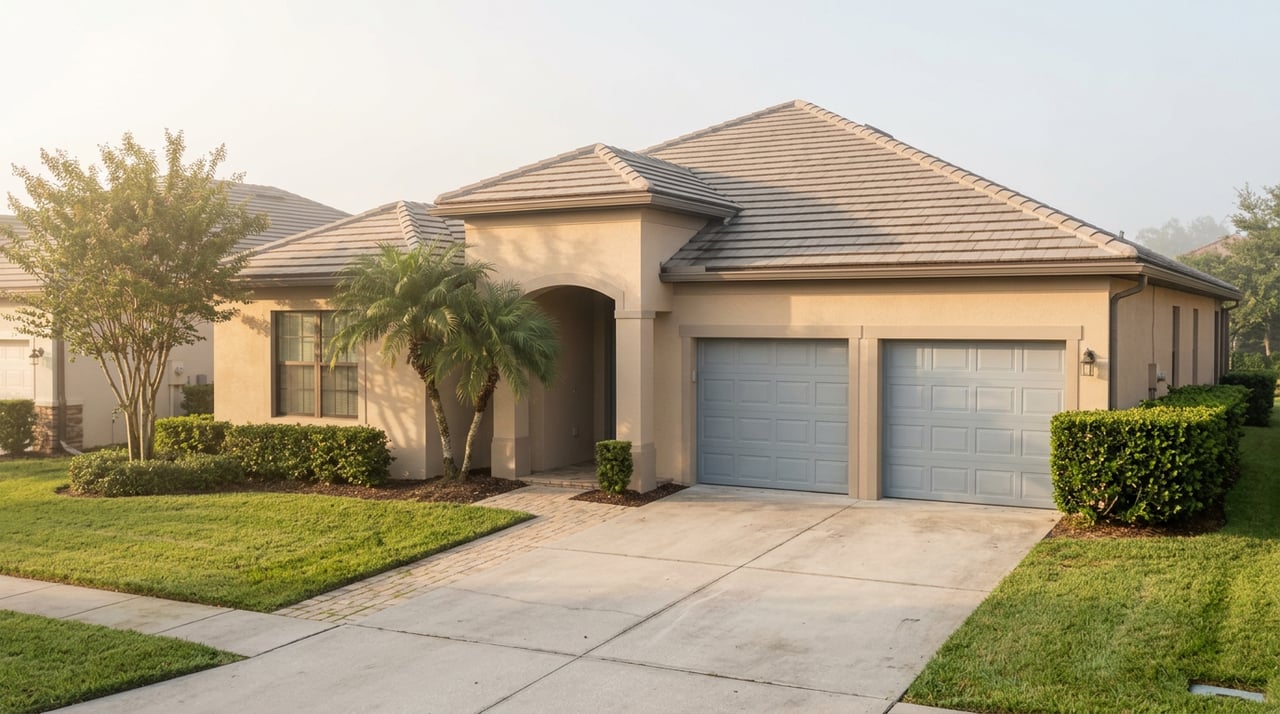
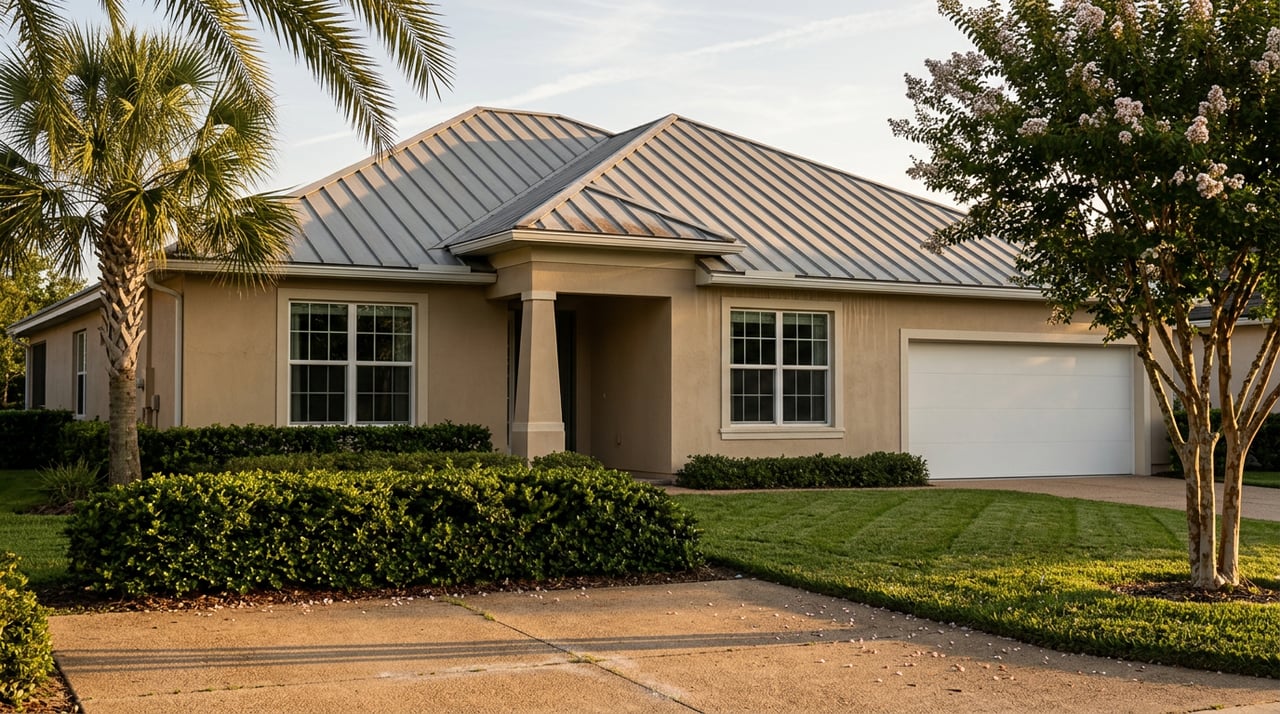
Nocatee is divided into multiple neighborhoods, often called villages. Each has its own character and pocket parks. Closer to the Town Center you’ll find townhome clusters and low-maintenance options, while other areas feature single-family homes and larger estate-style lots.
The Town Center is the community’s daily-life hub for groceries, dining, services, and events. It is intentionally placed for short trips, which helps during busy weeks. Preview the heart of the community on the Nocatee Town Center page.
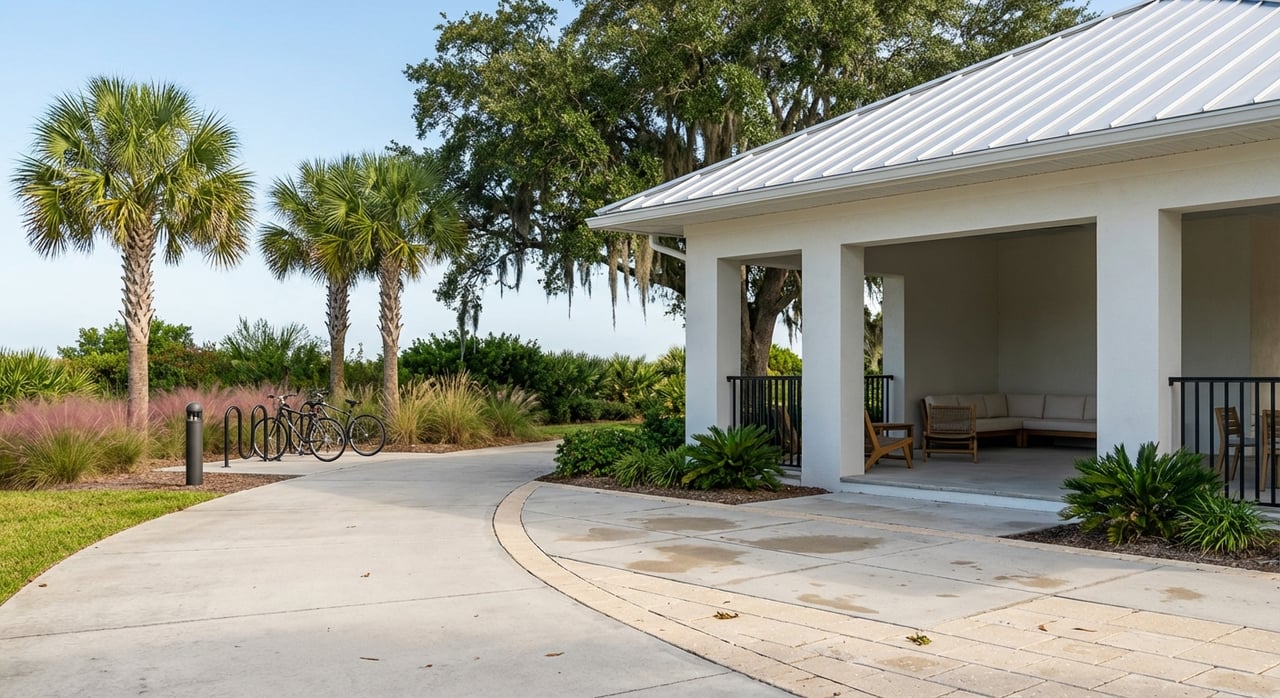
Trails and green corridors link neighborhoods, parks, and the Town Center. Many routes are cart-friendly, so you can move between school, fields, and amenities without always driving. Community-scale facilities are placed within a walk, bike, or golf-cart ride for many residents, including the 75-acre Nocatee Community Park with sports fields, a dog park, and event space.
Many of Nocatee’s major amenities, including Splash and Spray Waterparks, the Swim Club, Fitness Club, and several parks, are owned and operated by the Tolomato Community Development District. Access rules, guest policies, and user responsibilities are set by the District and published in the official Tolomato Amenity Policies.
As a resident, you register at the Resident Services Office to receive a Resident Card, which acts as your electronic key and ID for District amenities. The policy explains who qualifies, how many cards you receive, tenant rules, and replacement fees. For busy families, this setup means reliable access to pools, fields, playgrounds, and an events calendar you can plan around.
A Community Development District is a special-purpose local government under Florida Statute Chapter 190. It plans, finances, operates, and maintains community infrastructure and amenities. CDDs typically issue bonds and then collect annual assessments to pay debt service and operations. If you want the legal basis, review Florida Chapter 190.
Homeowners’ associations are private corporations governed by Florida Chapter 720. HOAs enforce deed restrictions and manage neighborhood-level common areas and services. Dues vary by village, especially where there are gates, guards, or private facilities. For an overview of rights and disclosure requirements, see Florida Chapter 720.
In Nocatee, the Tolomato CDD publishes annual budgets and parcel-level assessments. The assessment usually appears as a non-ad valorem line on your county property tax bill. You can browse District resources on mytcdd.com, and you can look up specific assessment lines in the District’s current schedule using the Tolomato Resident Assessment Lookup (FY2026).
Here are examples from that FY2026 schedule to help you budget. Always verify the exact parcel before you make an offer.
Example A: Austin Park
Example B: Coastal Oaks
Tip: If you are under contract, request a CDD estoppel from the District for precise payoff or proration figures. The District explains the estoppel process on mytcdd.com.
HOA dues vary widely by village based on services and private facilities. One active Coastal Oaks listing reported an HOA fee of $751 quarterly, which is about $250 per month. When you combine that with the CDD examples above, a buyer could see recurring community costs in the ballpark of $435 to $545 per month on those sample parcels, plus property taxes and insurance. Your figure may differ, so verify with the parcel’s CDD schedule and the HOA’s budget and disclosures.
Across Nocatee you will find a mix of national and regional builders, which supports a broad range of home sizes and price points. Product lines often include first-time, move-up, and luxury options, which helps future resale.
Short trips define most weeks for many families. It is common to walk or take a golf cart to the pool, playground, or the Town Center for groceries and quick dining. Inside or adjacent school locations often reduce daily drive time as well.
The community programs events throughout the year, including farmers markets, outdoor concerts, and seasonal festivals. Youth sports fields, supervised swim programs, and multiple playgrounds help you bundle activities close to home. The 75-acre Nocatee Community Park and other District amenities give you reliable, scheduled access to fields and open space.
If you are relocating, plan for a quick administrative stop. You will register for Resident Cards at the District’s Resident Services Office. Eligibility and card rules are spelled out in the Tolomato Amenity Policies.
Use this step-by-step list to avoid surprises and keep your timeline tight.
If you want to compress errands and activities into short, repeatable trips, Nocatee’s plan can be a strong match. The Greenway trails, Town Center, and District-run amenities help you replace long drives with nearby routines. The trade-off is planning for recurring CDD and HOA costs in your monthly budget. With parcel-level numbers and a clear step-by-step process, you can buy with confidence.
Ready to map neighborhoods to your timeline and budget? Schedule a Strategy Session with Traci Crawford to compare villages, pull CDD and HOA figures, and design a plan that fits your move.
Stay up to date on the latest real estate trends.
Traci Crawford is here to provide support. Her approach focuses on comprehending your preferences and interests, ensuring a memorable and tailored property experience. Reach out to her today!