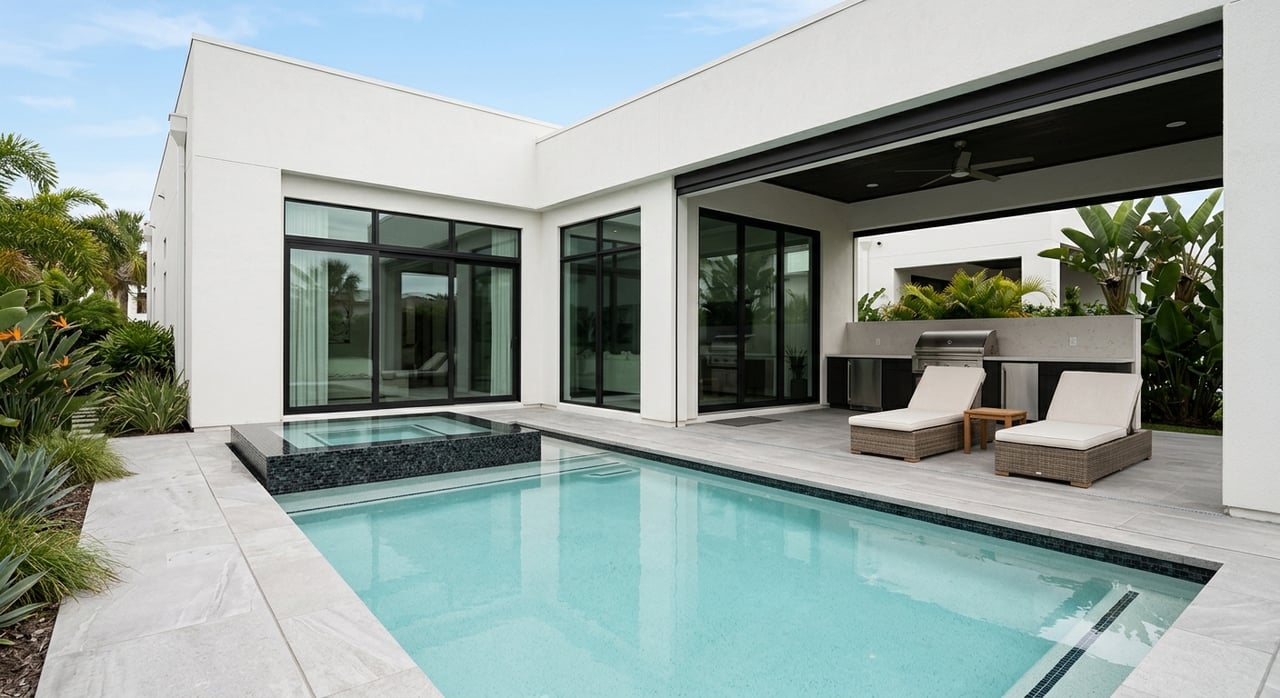
Your Guide to a Jacksonville Beach Second Home & Rental
April 2, 2026
April 2, 2026
Thinking about a place where you can enjoy the beach yourself and still make the property work for you the rest of the year? Jacksonville Beach often lands on that short list for a reason. If you are considering a second home that could also serve as a rental base, you need more than a beach-day dream. You need clear facts about local rules, seasonality, taxes, and day-to-day ownership. Let’s dive in.
Jacksonville Beach offers a mix of lifestyle appeal and real housing demand. According to U.S. Census QuickFacts for Jacksonville Beach, the city has 23,830 residents, 11,042 households, a 68.8% owner-occupied rate, a median owner value of $575,800, and a median gross rent of $1,848. That points to a market with both full-time residents and renters, which can matter if you want personal use plus income potential.
Tourism also adds another layer. Visit Jacksonville’s 2024 tourism research reports that the broader Jacksonville area welcomed more than 8 million visitors, sold nearly 5 million hotel rooms, and had an average stay of 3.7 nights. That does not guarantee rental performance for any one property, but it does support the idea that visitor demand exists and tends to rise and fall with the season.
Before you focus on finishes, views, or walkability, define how you plan to use the property. In Jacksonville Beach, your intended use shapes the kind of home you should target and the rules you will need to follow.
For most buyers, the choice comes down to three paths:
That decision should come early because zoning, tax treatment, inspections, and management needs can look very different depending on the model you choose.
| Strategy | Best Fit For | Main Benefits | Main Tradeoffs |
|---|---|---|---|
| Personal second home | Buyers focused on beach access and occasional visits | Maximum personal flexibility | Limited income offset |
| Longer-term rental | Buyers who want steadier year-round demand | Simpler operations and potentially fewer transient rental issues | Less personal flexibility during lease term |
| Short-term vacation rental | Buyers who want part-time use and shorter guest stays | Flexible calendar use and tourism exposure | More rules, inspections, taxes, and active management |
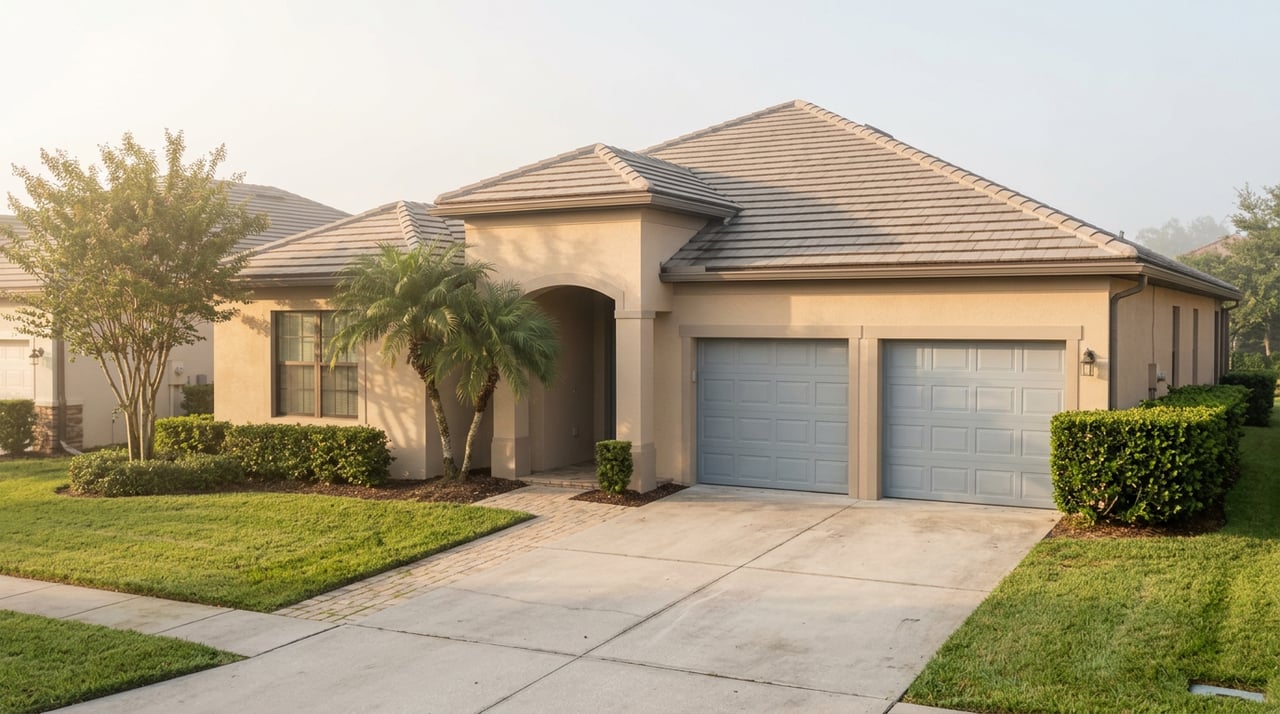
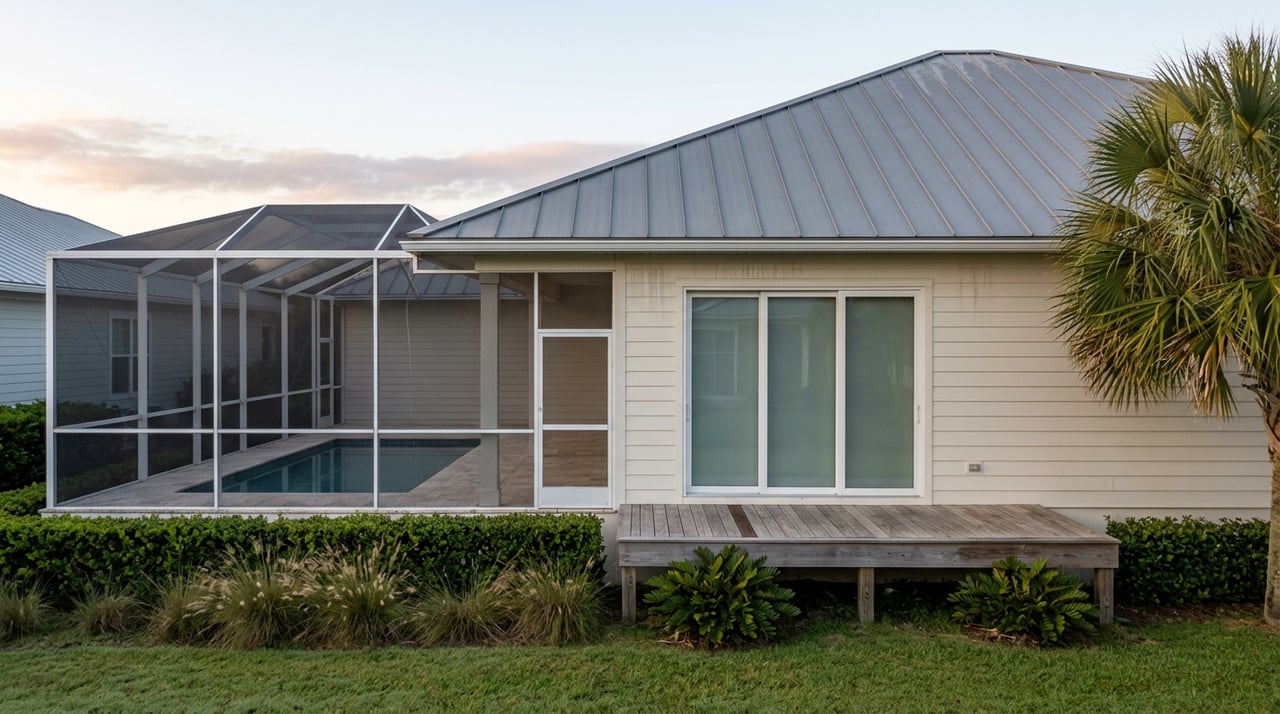
Jacksonville Beach has a range of housing options, which is helpful if you are weighing maintenance versus privacy. A city planning data inventory describes the local housing stock as roughly 56% single-family and 37% multifamily. In practical terms, many buyers end up comparing detached homes, townhomes, and condo-style properties.
If you want more space, private outdoor areas, or fewer shared walls, a single-family home may be appealing. If you want lower exterior maintenance and a more lock-and-leave setup, a townhome or multifamily-style unit may fit better. The right answer depends on how often you will visit, how hands-on you want to be, and whether rental use is part of the plan.
In Jacksonville Beach, rental use is not just about owning a beach property. It is also about whether the property can legally support the way you want to use it.
The city explains that short-term vacation rentals are allowed in zoning districts where residential uses are permitted. The city also states that single-family homes, townhouses, and multifamily units used as transient public lodging establishments need a Short-Term Vacation Rental Certificate. That means a property can look perfect on paper but still require additional review before it fits your goals.
A coastal purchase calls for careful upfront review. Jacksonville Beach’s Building Inspection Division advises buyers to verify intended use, parking, setbacks, zoning, property maintenance issues, variances, special exceptions, and fire and life-safety requirements. The city also provides permit-history searches through COAST, which makes permit review a smart part of your early screening process.
Flood review should also happen early, not late in the contract period. FEMA’s Flood Map Service Center is the official place to check flood hazard maps, and FEMA notes that standard homeowners insurance usually does not cover flood damage. For a second-home buyer, that can affect both carrying costs and risk planning.
Jacksonville Beach is not a flat, same-every-month rental environment. Climate and visitor activity suggest stronger demand in warmer months and shoulder seasons.
NOAA’s Jacksonville Beach climate normals show a mean annual temperature of 71.4°F, with July and August averaging about 82.9°F and 82.8°F. Rainfall is heaviest in summer and early fall, but overall the climate supports broad seasonal appeal beyond a winter-only pattern.
The local tourism calendar also helps frame timing. Visit Jacksonville’s Opening of the Beaches Parade is scheduled for late April and is used to mark the start of beach season. For you, that means spring and summer are logical periods to think about for personal use, guest demand, or both.
If your goal is to offset ownership costs without running an active guest operation, a longer-term lease may be worth serious consideration. The same U.S. Census QuickFacts data showing a median gross rent of $1,848 suggests Jacksonville Beach also has a year-round tenant market.
A longer-term strategy can be simpler because it often reduces turnover, guest communication, and operational intensity. It may also fit buyers who plan to use the home only occasionally and prefer steadier occupancy over peak-season swings.
If you want to rent for shorter stays, start with the city’s definition. Jacksonville Beach defines a short-term vacation rental as a privately owned dwelling rented more than three times in a calendar year for stays of less than 30 days, or held out as regularly rented to guests.
The city requires a Short-Term Vacation Rental Certificate for single-family, townhouse, and multifamily units used as transient public lodging establishments. It also requires a pre-issuance inspection for initial certificates and certain modifications. Current city fees listed on that page include $150 for initial and annual registration plus $79.20 for the annual local business tax receipt, and certificates must be renewed by October 1 each year.
For a buyer, the takeaway is simple: if short-term use is central to your plan, confirm compliance steps before you buy, not after.
Taxes can change the math quickly, especially if you assume an online platform handles everything for you. Duval County states that short-term rentals are subject to a 6% Convention/Tourist Development Tax and that the 7.5% state sales and use tax also applies, for a total transient-rental tax burden of 13.5%. The county also says that online rental platforms do not collect the tax on the owner’s behalf, so the owner remains responsible for remittance.
That same county guidance notes that the transient-rental tax applies to rentals of six months or less. If you want a cleaner longer-term rental setup, leases longer than six months may align better with that goal.
If this property will be a second home, homestead planning matters. Duval County says homestead exemption requires the property to be your primary Florida residence as of January 1. That is an important distinction if you are keeping another primary home elsewhere.
Jacksonville Beach also notes that an owner-occupied unit renting 50% or less of the unit is not subject to the city’s short-term vacation rental regulations. For part-time owners, that rule can matter, but it is still wise to verify how it applies to your exact situation and property setup.
Owning from a distance can work, but it works best when you are realistic about operations. Jacksonville Beach enforces property maintenance standards through code enforcement, including notices, hearings, and possible fines for unresolved violations.
For you, that means routine items deserve real planning:
A beach property can be rewarding, but it is rarely a set-it-and-forget-it asset.
The best Jacksonville Beach second-home purchases usually begin with a clear strategy, not a rushed offer. If you know whether you want lifestyle use, longer-term leasing, or short-term stays, you can narrow your search faster and avoid properties that do not fit your goals.
A disciplined process can help you focus on the right details from the start:
If you are relocating, buying from out of area, or balancing personal enjoyment with income potential, having a clear local guide can save you time and stress. If you want help evaluating Jacksonville Beach options through that lens, connect with Traci Crawford to schedule a strategy session.
Stay up to date on the latest real estate trends.
Traci Crawford is here to provide support. Her approach focuses on comprehending your preferences and interests, ensuring a memorable and tailored property experience. Reach out to her today!