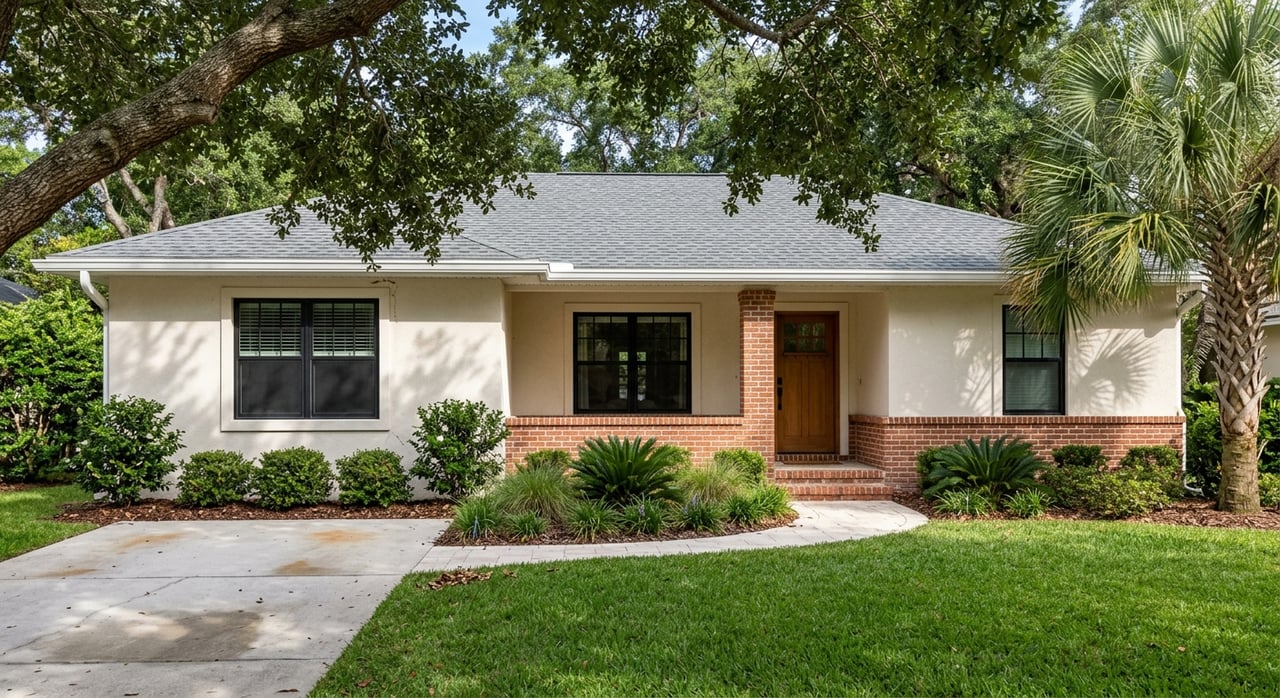
New Construction Or Resale In Yulee
May 21, 2026
May 21, 2026
Trying to choose between a brand-new home and a resale in Yulee? You are not alone. With Nassau County growing quickly and Yulee offering both newer communities and existing homes, many buyers find themselves weighing both options at the same time. The good news is that the right choice usually becomes clearer when you compare timing, total cost, and how much uncertainty you are comfortable managing. Let’s dive in.
Yulee sits in a fast-growing part of Nassau County, and that growth shapes the housing conversation. Census data shows Yulee had 14,195 residents in 2020, while Nassau County reached 104,376 residents in July 2024 and grew 15.5% from 2020 to 2024.
That kind of growth helps explain why both new construction and resale homes stay relevant here. Buyers are not just picking a style of home. They are also choosing a timeline, a level of flexibility, and a different type of risk.
Recent market snapshots also show that Yulee is not a market where one path clearly wins on price alone. Depending on the source and timing, home values and prices have clustered in the low-to-mid $400,000s, and homes have been taking roughly 51 to 97 days to move through the market. That points to a market with some room for negotiation, but not one where buyers should assume steep discounts.
New construction often appeals to buyers who want a home that has not been lived in and may offer some design choices. Depending on the builder and build stage, you may be able to select items like flooring, countertops, fixtures, and paint colors.
That said, customization is not unlimited. Some builders offer only a short menu of options, and upgrades can raise the final price faster than many buyers expect.
One of the biggest advantages of new construction is the chance to shape the look of the home before you move in. If the property is still under construction, you may have input on materials and finishes that would be expensive to change later.
This can be especially attractive if you are relocating and want a more move-in-ready result. Instead of planning immediate updates after closing, you may be able to start with a home that already fits your style and daily needs.
A new home usually includes more formal warranty coverage than a resale home. According to the FTC, builder warranties commonly cover workmanship and materials for one year, major systems like HVAC, plumbing, and electrical for two years, and major structural defects for up to 10 years.
That does not mean every repair is covered. Appliances and minor cosmetic issues, such as small cracks, may be excluded, so it is important to read the warranty details carefully before you commit.
In Nassau County, residential construction involves permits, plan review, and inspections through the county Building Department. County records for fiscal year 2023 to 2024 show 757 new single-family residence permits and 20,178 field inspections.
For you as a buyer, that means the process often has more moving parts than buying an existing home. Even when the home looks nearly complete, permit and inspection timing can affect when you actually get the keys.
A new build can look straightforward at first glance, but the total cost may involve more than the base price. Builder deposits, optional upgrades, and local development-related costs can all affect the all-in number.
Nassau County says impact fees are one-time payments tied to new development, and county tree fees apply to all new construction and are collected at permit issuance. Those items may not always be obvious when buyers first compare a new home with a resale listing.
Resale homes often work best for buyers who want to see the exact property they are purchasing and follow a more standard closing timeline. Instead of choosing from plans, samples, or staged models, you can evaluate the actual condition, layout, and lot in real time.
That clarity matters to many buyers. It can make decision-making simpler, especially if your move is time-sensitive.
With resale, what you see is what you can inspect. The Consumer Financial Protection Bureau recommends keeping financing and inspection contingencies in the offer, scheduling an independent inspection quickly, and using the results to negotiate repairs or cancel if allowed under the contract.
That gives you a practical window into the home's current condition. It also shifts the conversation from future construction promises to present-day facts.
If you need to move on a tighter timeline, resale can be the easier route. Once financing, inspection, and appraisal are in place, the path to closing is usually more predictable than waiting on a home still moving through construction and local approvals.
This can be especially helpful for military families, corporate relocations, or anyone coordinating a move around work and family deadlines. When timing matters, certainty often matters just as much as features.
Resale homes do not usually come with the same builder warranty structure as a new home. The FTC notes that a home warranty on an existing home is generally a service contract that costs extra and often focuses on appliances or systems, not the permanent structure.
In other words, a resale home may have a lower upfront price in some cases, but you should still budget for maintenance, possible repairs, and future updates. A lower list price does not always mean a lower total cost of ownership.
When you compare new construction and resale in Yulee, list price is only one piece of the puzzle. A smarter side-by-side comparison looks at both your monthly payment and your upfront cash needed to close.
That is where many buyers find the real difference.
Your monthly housing cost is broader than principal and interest. The CFPB says buyers should also budget for property taxes, homeowners insurance, flood insurance where required, utilities, maintenance, and HOA fees.
A home with a slightly lower sale price can still cost more each month if insurance or HOA fees are higher. A home with a higher price tag may feel more manageable if it reduces immediate repair or upgrade needs.
Closing costs usually run about 2% to 5% of the home price, not including your down payment, according to the CFPB. For new construction, you may also be dealing with builder deposits and upgrade charges. For resale, you may be paying for inspections, repair negotiations, and early maintenance items.
That is why it helps to stop asking, “Which one is cheaper?” and start asking, “Which one fits my total budget better?”
Whether you buy new construction or resale, community rules can affect your ownership costs and your day-to-day experience. This is especially important in deed-restricted or mandatory HOA communities.
Florida law requires a disclosure summary before signing in certain HOA-governed purchases, and it also makes clear that assessments can change, unpaid assessments can become liens, and developers may retain certain rights to amend restrictive covenants. You should review community documents carefully before moving forward.
For buyers in Yulee, this is not a small detail. HOA fees, approval processes, and use restrictions can have a real impact on both affordability and fit.
Because Yulee is in coastal North Florida, flood risk should be part of your comparison. Nassau County says development in a FEMA-designated Special Flood Hazard Area must meet floodplain permit and elevation standards, and the CFPB notes that homes in those areas are likely required to carry flood insurance.
For you, that means lot location matters. Two homes with similar prices and similar square footage can have very different insurance costs depending on where they sit.
If you are considering a resale home, ask whether the property has flooded or had prior storm damage. If you are considering new construction, ask how the lot location may affect insurance and long-term carrying costs.
A new build may make more sense for you if these priorities are at the top of your list:
This path can be especially appealing if you are planning ahead rather than needing to move immediately. It often rewards patience and careful budgeting.
A resale home may be the better choice if your priorities look more like this:
This route often works well for buyers who want fewer unknowns during the purchase itself. The tradeoff is that future repair or update costs may become your responsibility sooner.
If you are stuck between the two, simplify the decision. Compare each option across the same five categories:
That framework tends to cut through the emotion quickly. In Yulee’s current market, where conditions look fairly balanced to mildly competitive, the better choice often comes down to your timeline, your cash position, and how much post-closing work you are willing to take on.
Buying in Yulee is not about chasing a perfect headline price. It is about choosing the home and process that fit your life best. If you want a clear plan for comparing new construction and resale based on your timing, budget, and move goals, Traci Crawford can help you build a smart strategy and move forward with confidence.
Stay up to date on the latest real estate trends.
Traci Crawford is here to provide support. Her approach focuses on comprehending your preferences and interests, ensuring a memorable and tailored property experience. Reach out to her today!