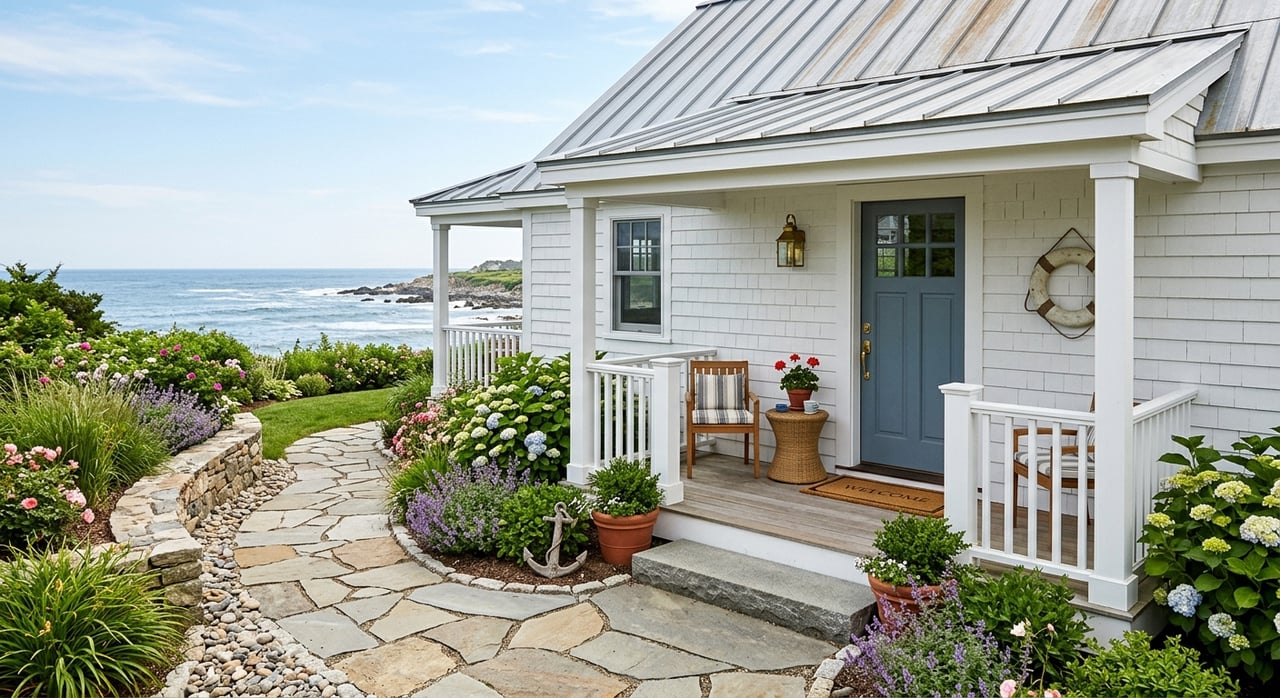
Jacksonville Beach Home Types: Condo, Townhome, or Cottage
June 25, 2026
June 25, 2026
Trying to decide between a condo, townhome, or cottage in Jacksonville Beach? That choice matters more here than it does in many other markets because your monthly costs, maintenance duties, parking options, and flood-related planning can look very different from one property type to the next. If you want a home that fits your lifestyle and your budget without surprises later, it helps to understand how each option works before you buy. Let’s dive in.
In Jacksonville Beach, buyers are often comparing more than square footage or curb appeal. You are also comparing who handles maintenance, how much control you have over the property, and how much coastal risk you are willing to manage yourself.
That is especially important in a beach market where flood exposure, parking rules, and rental restrictions can affect day-to-day life. A condo, townhome, and cottage can all work well here, but they offer very different ownership experiences.
A condo has its own legal structure under Florida law. In general, the association is responsible for maintaining common elements and carrying association property insurance, while you are usually responsible for personal property and certain interior items inside your unit.
That setup can appeal to buyers who want a lower-maintenance lifestyle. If you like the idea of a lock-and-leave beach home or want fewer exterior chores on your to-do list, a condo may feel simpler to manage.
One of the biggest benefits of a condo is shared responsibility for the building and common areas. That can reduce the number of exterior repair decisions you have to handle on your own.
At the same time, shared responsibility does not always mean lower cost. Condo dues may reflect association maintenance, insurance obligations, and reserve requirements, especially in residential condo buildings that are three habitable stories or higher and require structural integrity reserve studies at least every 10 years.
Those reserve studies cover major building components such as roofs, structure, fire protection, plumbing, electrical systems, waterproofing, exterior painting, and windows or doors. In practical terms, that can affect monthly dues and the possibility of special assessments.
Condos usually offer the least private outdoor flexibility of the three options. Exterior decisions are more communal, and the association may control common elements and building-wide hurricane-protection specifications.
That matters if you want to change exterior features, expand a patio area, or store beach gear outside. Before buying, it is smart to confirm exactly what spaces are private, limited, or shared.
Townhomes often feel like the middle ground between a condo and a detached cottage. You may get more space, more storage, and sometimes a garage or driveway, while still avoiding some of the yard work and exterior demands that can come with a detached property.
In Florida, though, the legal framework for a townhome depends more on the governing documents than the building shape. That means two townhomes that look similar from the street can come with very different maintenance obligations and monthly costs.
Many townhome communities are governed by an HOA with mandatory membership and assessments. Florida law allows these associations to enforce governing documents, levy fines, and regulate use rights, including certain architectural standards.
Visible exterior changes are often the most likely to require review. So if you want flexibility with paint, doors, landscaping, or other exterior updates, you will want to read the declaration, bylaws, and rules carefully.
Townhome costs are often the most variable of the three property types. Some communities cover more exterior upkeep and common-area maintenance through HOA dues, while others place more responsibility directly on the owner.
That is why a townhome can be a strong fit if you want balance, but it also requires careful review. You cannot assume what is covered based on the property style alone.
A detached cottage usually gives you the most direct control over your property. If you want a private yard, more space for entertaining, or more freedom to personalize the home, a cottage often offers the most flexibility.
That freedom comes with more day-to-day responsibility. Unless the cottage is within an HOA that handles certain items, you are typically taking on more of the exterior upkeep, landscaping, repairs, and storm preparation yourself.
In Jacksonville Beach, detached ownership also means you need to think carefully about flood exposure and property protection. The city notes that coastal properties can face flooding from rainy-season events, hurricanes, and tropical storms.
If a property is in a Special Flood Hazard Area, flood insurance may be required. It is also important to remember that standard homeowners insurance does not cover flood damage.
For many buyers, the biggest advantage of a cottage is lifestyle. You may have more room for outdoor living, more separation from neighbors, and fewer shared-space restrictions than you would in a condo.
Still, if the cottage is in an HOA community, exterior rules can still apply. That is why detached does not always mean unrestricted.
In Jacksonville Beach, parking deserves a spot near the top of your checklist. The city actively manages on-street and off-street parking, operates a seasonal paid parking program, and allows residents free parking only if license plates are registered with the city’s vendor.
The city also restricts oversized vehicles in some beach-adjacent areas. If you have guests often, drive a larger vehicle, or need space for beach gear, bikes, or boards, on-site parking can become a major quality-of-life issue.
Here is how parking often plays into each option:
A lower purchase price does not always mean a lower cost of ownership. In Jacksonville Beach, the better question is what expenses you will carry directly and what expenses are built into your dues or assessments.
Here is a simple way to think about it:
| Property Type | Typical Cost Pattern | What to Watch Closely |
|---|---|---|
| Condo | More shared costs through monthly dues | Reserve funding, insurance split, special assessment history |
| Townhome | Costs vary widely by community documents | What the HOA covers, exterior maintenance split, rule compliance |
| Cottage | Fewer shared fees possible, but more direct owner costs | Roof, exterior upkeep, yard work, flood exposure, separate flood insurance |
Jacksonville Beach also notes that its Planning Division helps residents with floodplain management and flood-zone information. The city’s participation in the Community Rating System can also lead to flood-insurance premium discounts of 5% to 40% for property owners who are required to carry supplemental flood insurance.
The right choice usually comes down to how you want to spend your time, money, and energy after closing. Your ideal property type is not just about the home itself. It is about the ownership experience you want.
Before you make an offer, slow down and confirm the details that can affect your ownership costs and flexibility later. In a coastal market, a few extra questions upfront can save you major stress.
Use this checklist as a starting point:
There is no single best property type in Jacksonville Beach. The best choice is the one that matches how much maintenance you want, how much privacy you need, how flexible your budget is, and how comfortable you are with coastal risk and community rules.
If you are relocating, buying a second home, or trying to narrow down the right beach lifestyle fit, it helps to have a clear process. A careful review of ownership structure, flood questions, parking, and community documents can help you move forward with confidence.
When you are ready to compare condos, townhomes, and cottages in Jacksonville Beach, Traci Crawford can help you sort through the trade-offs and build a strategy that fits your move.
Stay up to date on the latest real estate trends.
Traci Crawford is here to provide support. Her approach focuses on comprehending your preferences and interests, ensuring a memorable and tailored property experience. Reach out to her today!