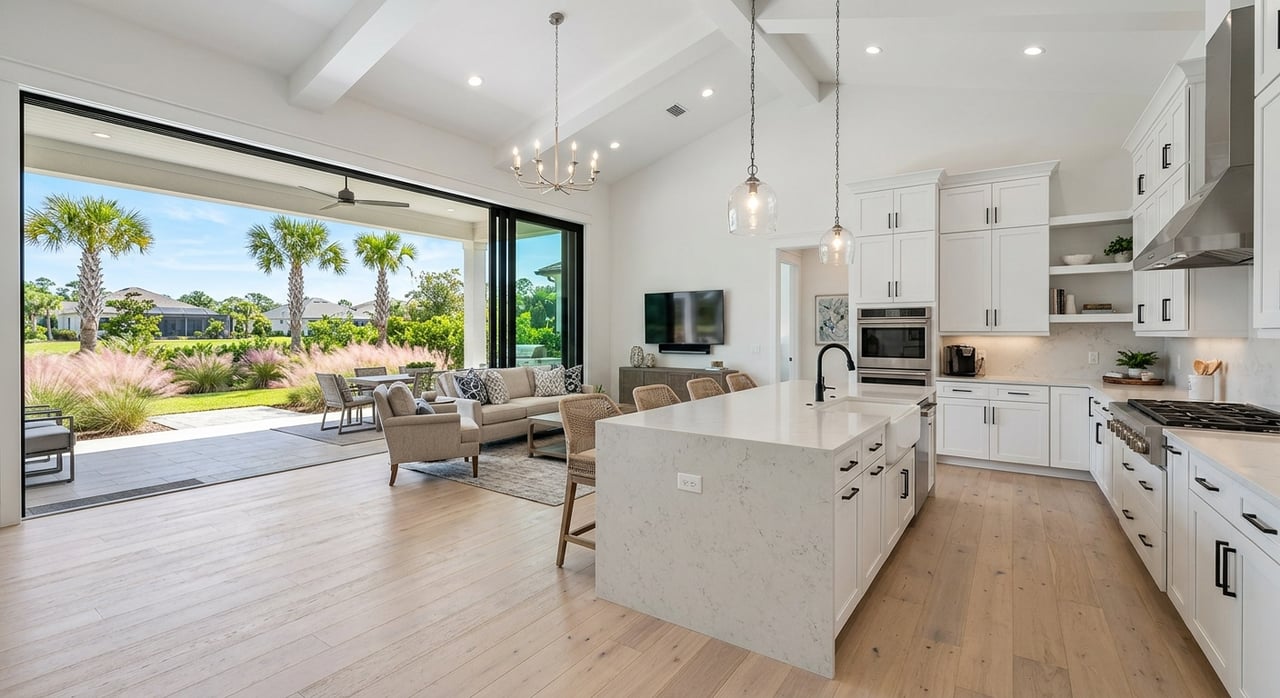
Your Buyer Roadmap for Silver Leaf New Construction Homes
July 2, 2026
July 2, 2026
Buying new construction in SilverLeaf can feel exciting right up until the choices start stacking up. Which builder fits your budget, what is actually included, when do design selections happen, and how do you know your lot’s fees and documents are the right ones? If you want a clearer path from first tour to move-in day, this roadmap will help you compare builders, ask better questions, and stay organized through each step. Let’s dive in.
SilverLeaf is in St. Johns County, near St. Augustine, between County Road 210 and State Road 16 at St. Johns Parkway west of I-95. That matters because the community is sometimes mislabeled elsewhere, but the official community materials place it in St. Johns County.
It also helps to know that SilverLeaf is not one neighborhood and not one builder. It is a large master-planned community of about 11,000 acres with more than 50 miles of sidewalks and cart paths, over 4,350 acres of conservation land, 17,600 planned dwelling units, and public materials that state there are no CDD fees.
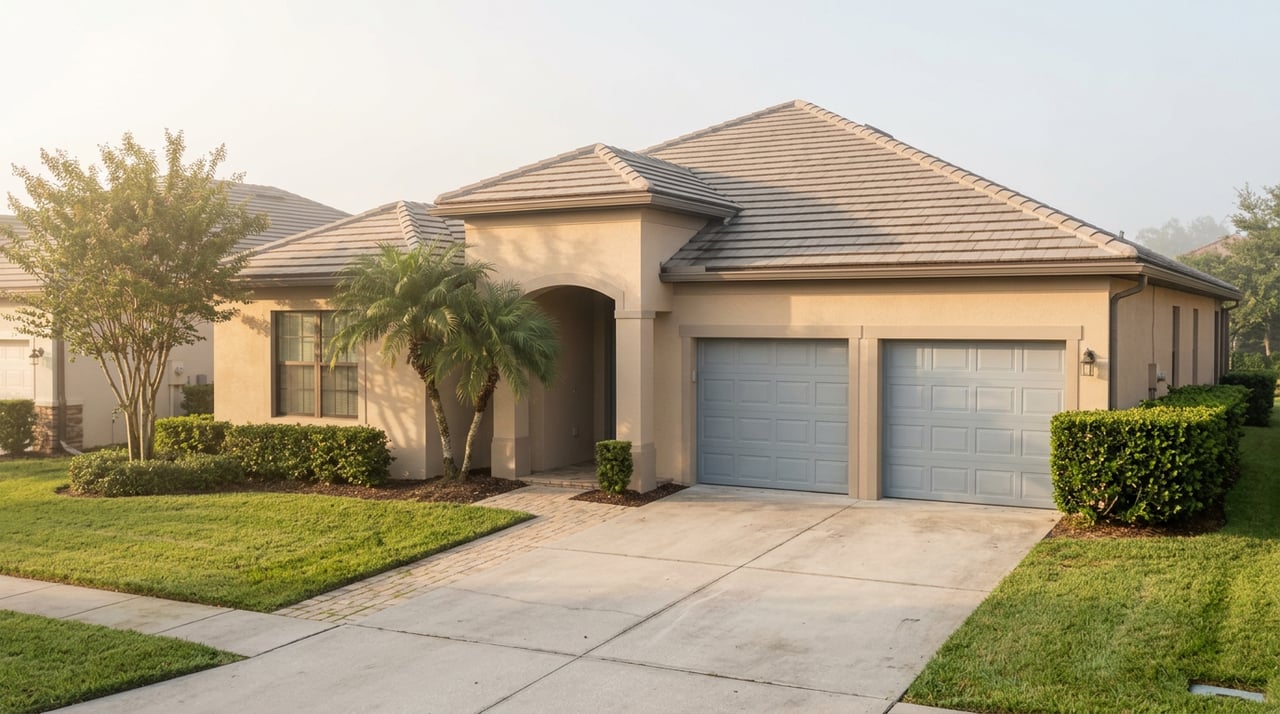
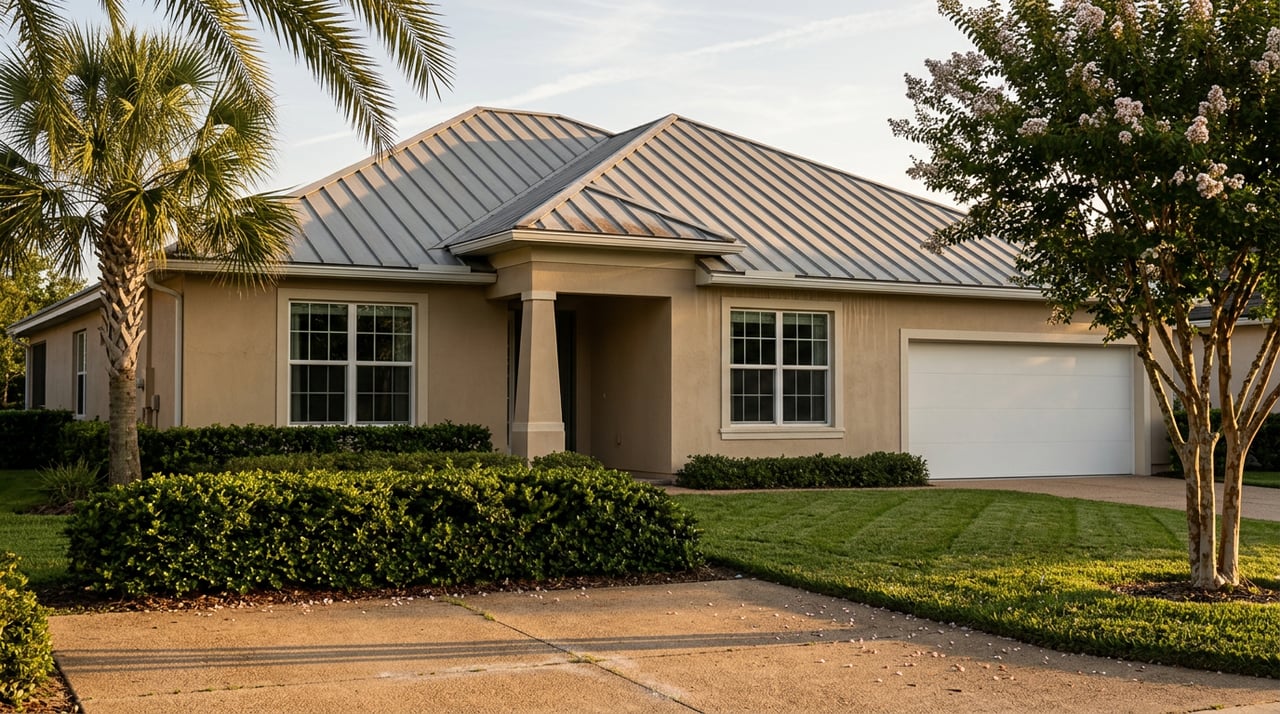
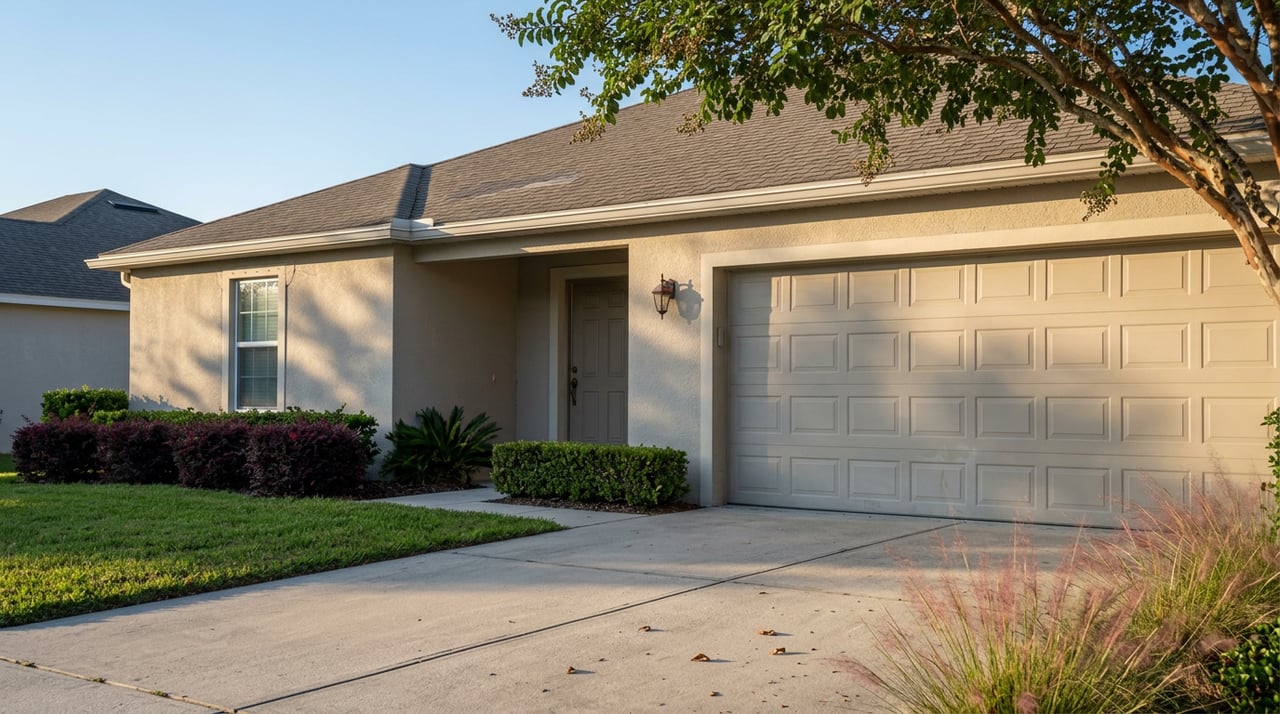
SilverLeaf offers a wide mix of housing types. Public community information describes single-family homes, townhomes, apartments, and a 55+ gated neighborhood, which gives buyers more than one path depending on lifestyle, budget, and timing.
Current public materials also show a broad builder lineup, including Ashley Homes, David Weekley Homes, Dream Finders Homes, ICI Homes, Lennar, MasterCraft, Reverie, Richmond American Homes, Riverside Homes, Taylor Morrison, and Toll Brothers. Visitor materials describe the community as spanning 11 builders and 148 floor plans, which makes comparison shopping especially important.
SilverLeaf’s public pricing examples suggest a wide range, with homes presented from roughly the $300s through the upper $900s. Apartments are shown in roughly the $1,500 to $2,800 range. That gives you a useful starting point, but it should be treated as directional only.
Builder pricing, incentives, lot releases, and available inventory can change quickly. A model home visit may give you a strong sense of fit, but it should not replace a current pricing sheet, lot availability list, and written breakdown of what is included.
When you visit model homes, it is easy to get distracted by finishes and décor. A better approach is to compare each builder using the same checklist so you can see real differences in value, flexibility, and total cost.
This last point matters in SilverLeaf because both options are available. Public builder pages show quick move-in homes in some neighborhoods, while other sections of the community offer build-to-order opportunities.
Model homes are designed to impress, but your real job is to separate appearance from included value. Ask the sales team to identify which cabinets, countertops, flooring, trim details, lighting, and appliances come standard and which were added as upgrades.
This simple step can save you from building your budget around a home that looks one way in person but prices very differently on paper. It also helps you decide whether a builder’s standard package already meets your needs or whether you may need a larger design budget.
A quick move-in home can work well if you are relocating on a shorter timeline or want more certainty around delivery. These homes may already have structural decisions and many finish selections completed, which can simplify the process.
A to-be-built home usually gives you more control over layout choices and finishes, but it may also require more decisions and a longer timeline. If you are moving from out of town or balancing a military or corporate relocation schedule, this is an important tradeoff to think through early.
One of the biggest surprises for new-construction buyers is that the design process is not the same from builder to builder. In SilverLeaf, public builder materials show different selection timelines and appointment formats, which means you should ask for the full process upfront before signing.
For example, one builder outlines a 4-hour design selection consultation along with pre-start, pre-drywall, and pre-closing orientations. Another explains that the design-studio appointment is scheduled after the agreement of sale, that the first appointment usually lasts about three hours, and that a second appointment often follows a few weeks later.
These questions help you avoid rushed decisions later. They also give you a better sense of whether a builder’s process matches your schedule and communication style.
One of the most important due diligence steps in SilverLeaf is confirming which association documents apply to the specific property you are considering. The community resident portal points to a master association as well as multiple neighborhood-level management sites, including Brandon Lakes, Brook Forest, Elm Creek, Holly Forest, Johns Island, Newbrook, Silver Falls, Silver Landing, Silver Meadows, SilverLeaf Village, and Waterford Lakes.
That structure suggests you should not assume one uniform HOA package covers every home in the community. Instead, ask for the governing documents, current dues, budget information, and any special assessment information for the exact neighborhood and lot you are purchasing.
SilverLeaf public materials state there are no CDD fees, which is a meaningful detail for many buyers. Even so, you should still review the lot-specific disclosure package carefully and confirm exactly what applies to your parcel.
Florida law requires a CDD disclosure in initial sales contracts for property within a district, and those taxes or assessments, where applicable, are added on top of county and other local taxes. The practical takeaway is simple: verify the disclosures tied to the lot, rather than relying only on broad community marketing.
Your monthly housing cost may also include more than principal and interest. Buyers should budget for homeowners insurance, property taxes, and HOA fees in addition to the mortgage payment, because those items can make the total monthly number look very different from the model home’s starting price.
A disciplined, step-by-step approach can make a big community feel much more manageable. If you are buying in SilverLeaf, this roadmap keeps your process focused.
Research the community Confirm which SilverLeaf neighborhood, builder, and home type best fit your goals.
Tour model homes Compare base prices, included features, lot premiums, and builder flexibility.
Review the contract carefully Ask questions about deposits, timelines, design deadlines, allowances, and warranty coverage.
Confirm fees and documents Review HOA materials, dues schedules, and lot-specific disclosures.
Track design and construction milestones Follow the builder’s pre-start, pre-drywall, and pre-closing checkpoints where offered.
Order an independent inspection Arrange your own buyer-side inspection before closing, even though the home is new.
Verify final approval before move-in Make sure the county has issued the required occupancy or completion approval before you take possession.
This is an area where many buyers assume new construction is fully covered just because the county inspects the build. In St. Johns County, permitted construction is inspected by state-licensed inspectors, work cannot proceed beyond an inspection stage without approval, and a final inspection is required after all permitted work is complete.
The county also states that it is unlawful to occupy a building before a Certificate of Occupancy or Completion has been issued. For projects over $2,500, a Notice of Commencement must be filed and submitted before inspections can be scheduled.
County inspections are part of the public building process. A private home inspection is different because the inspector works for you and evaluates the property from the buyer’s perspective before closing.
That extra layer of review is worth planning for, even on a brand-new home. If possible, attend the inspection so you can see the findings firsthand and understand what may need attention before closing.
SilverLeaf gives you a lot of choices, which is great when you want flexibility but challenging when you want clarity. The best way to protect your time and budget is to stay process-driven from the start.
If you keep your builder comparisons consistent, verify lot-specific documents, and stay ahead of design and inspection deadlines, you can make more confident decisions and avoid last-minute surprises. That kind of structure matters even more if you are relocating, managing a compressed timeline, or trying to coordinate a move from outside the area.
If you want a steady, detail-focused guide as you compare SilverLeaf builders and neighborhoods, Traci Crawford can help you build a smart plan and schedule a strategy session around your timeline.
Stay up to date on the latest real estate trends.
Traci Crawford is here to provide support. Her approach focuses on comprehending your preferences and interests, ensuring a memorable and tailored property experience. Reach out to her today!