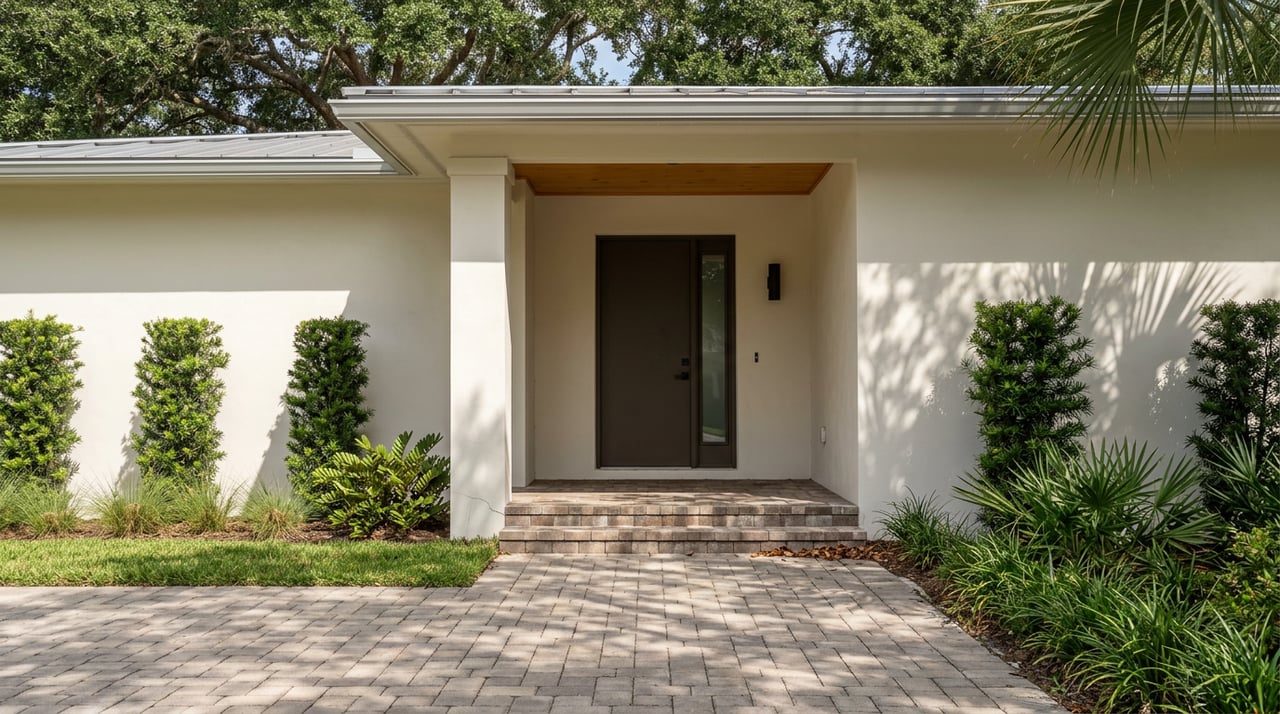
How to Sell a St. Johns FL Home Against New Construction
July 23, 2026
July 23, 2026
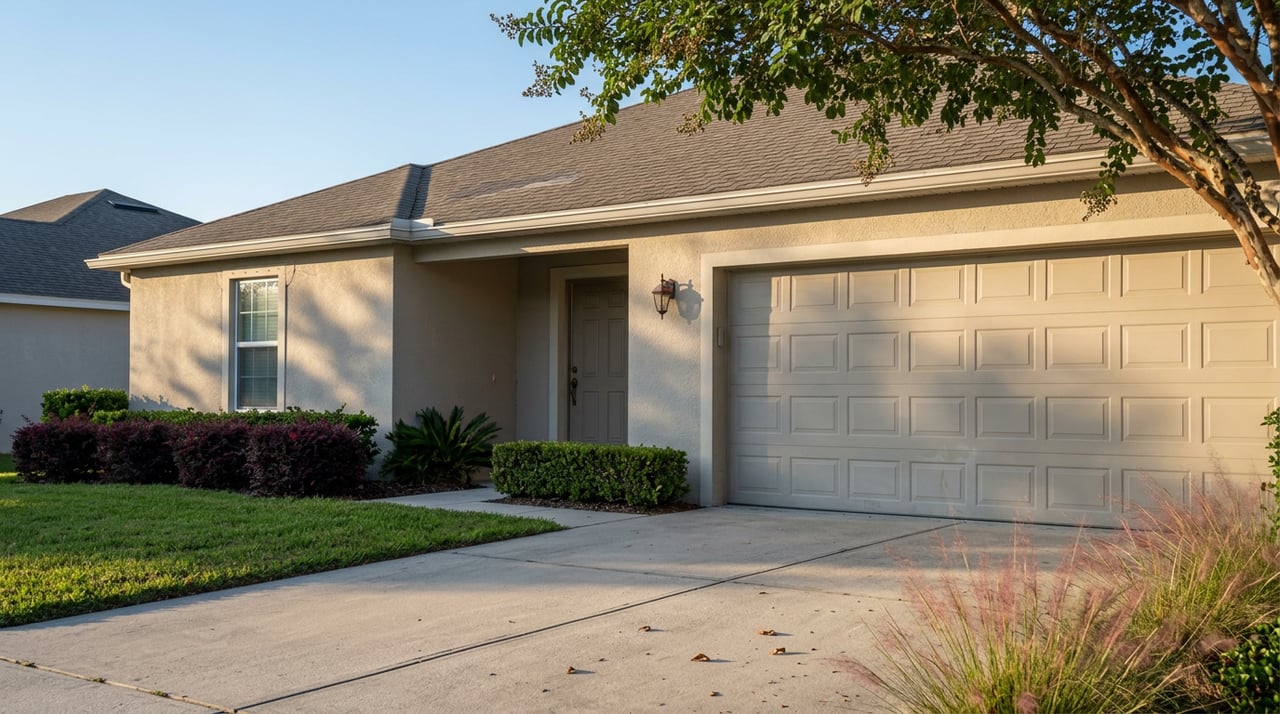
Picture two homes shown to the same buyer on the same Saturday in 32259. The first is a five-year-old resale in Durbin Crossing, priced sharp against recent closings, staged well, on a quiet cul-de-sac. The second is a quick-move-in from a builder in Shearwater, a similar floor plan, listed a bit higher — with a 4.99% rate advertised on a sign in the front yard and $15,000 in closing credits stapled to the disclosure. The resale is the better house on paper. The builder wins the offer.
That gap between the better house and the winning offer is the mechanism a St. Johns seller has to understand before pricing anything in 2026.
Most sellers in St. Johns still price the way they priced in 2022: pull the last three comps on the street, adjust for square footage and lot, land on a list price. That worked when buyers were racing each other. It does not work now that the county is in a normalization phase with roughly 3.6 months of inventory, prices holding roughly flat year over year, and stability rather than decline. County-wide, homes sold for a median of about $513,000 over the three months ending May 2026 and averaged 64 days on market, compared with 74 a year earlier. Stable enough. Slower than sellers remember.
The reason the old comp math misfires is that the buyer walking through the door is no longer shopping price. They are shopping payment. And builders are offering rate buy-downs and closing cost credits that directly impact affordability, forcing resale sellers to compete on presentation and value, not just price — ignoring builder competition is one of the most common and costly mistakes sellers make in this area.
That is the thesis of this post. In 32259, your true competitor is not the neighbor who closed in March. It is the sales center two miles away that has quietly turned list price into a monthly number.
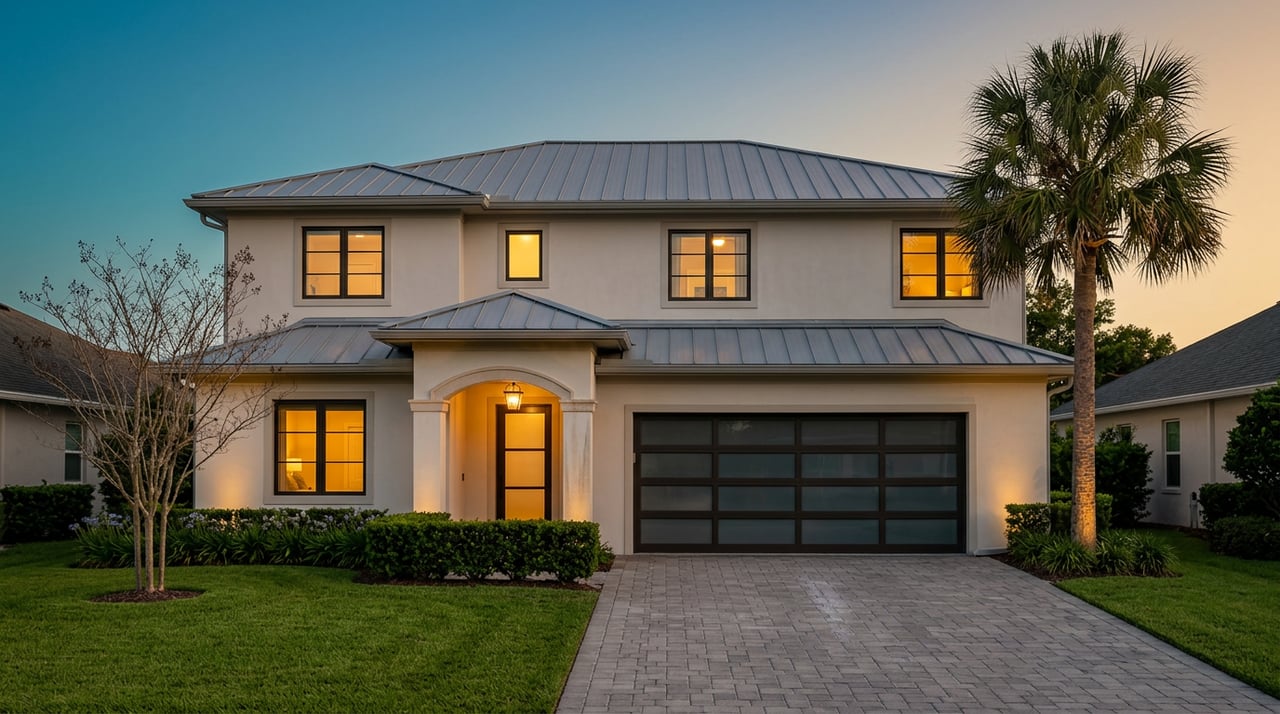
The incentive packages coming out of the newer St. Johns communities in mid-2026 are not soft. A recent review of the market called out builders in Beachwalk, Shearwater, Twenty Mile, and SilverLeaf offering rate buydowns starting at 4.99%, $15,000 in closing cost credits, and upgraded appliance packages that pull buyers away from resale listings. Same buyer pool. Different toolkit.
The mechanics are worth being specific about, because "rate buydown" is a term buyers repeat without always understanding:
Why builders lean on these rather than cutting list prices? Because a rate buydown or a closing cost credit lets a builder advertise a lower monthly payment without officially reducing the price, so the buyer gets a better deal and the community keeps its value — which is why incentives stay high even when outright price cuts do not.
A resale seller does not have that same lever. But the buyer sitting across the table is comparing both listings on the same spreadsheet.
Consider a $525,000 St. Johns buyer with 10% down, roughly a $472,000 loan. At a market rate near 6.5%, principal and interest run about $2,985 a month. The builder's 4.99% temporary or permanent buydown on the same loan drops that to roughly $2,530. Same house, near enough. A $455 monthly difference. Over the first two years of a 2-1 structure, that is real money the resale seller has to make up somewhere or the payment-shopping buyer walks.
The real savings in 2026 often live in the financing, not the price. A new home with a builder-paid rate buydown and closing cost credit can deliver a lower monthly payment than a resale at the same price, even when the resale appears to be a better value on paper — to compare the two fairly, you have to look past the list price and add up the full cost of ownership.
The seller who ignores that math and holds firm at comp price is the seller whose home sits. And well-priced homes are still selling within 30 to 60 days, while overpriced or underprepared homes are sitting 100+ days, often requiring price reductions. Days on market is now the loudest signal in the room.
If the builder is competing on payment, the resale seller has to compete on payment too. That does not mean matching a 4.99% buydown dollar for dollar. It means using the tools a resale actually has.
Stack those three moves and the resale reads on paper the way the buyer's brain is already reading everything else: as a monthly number.
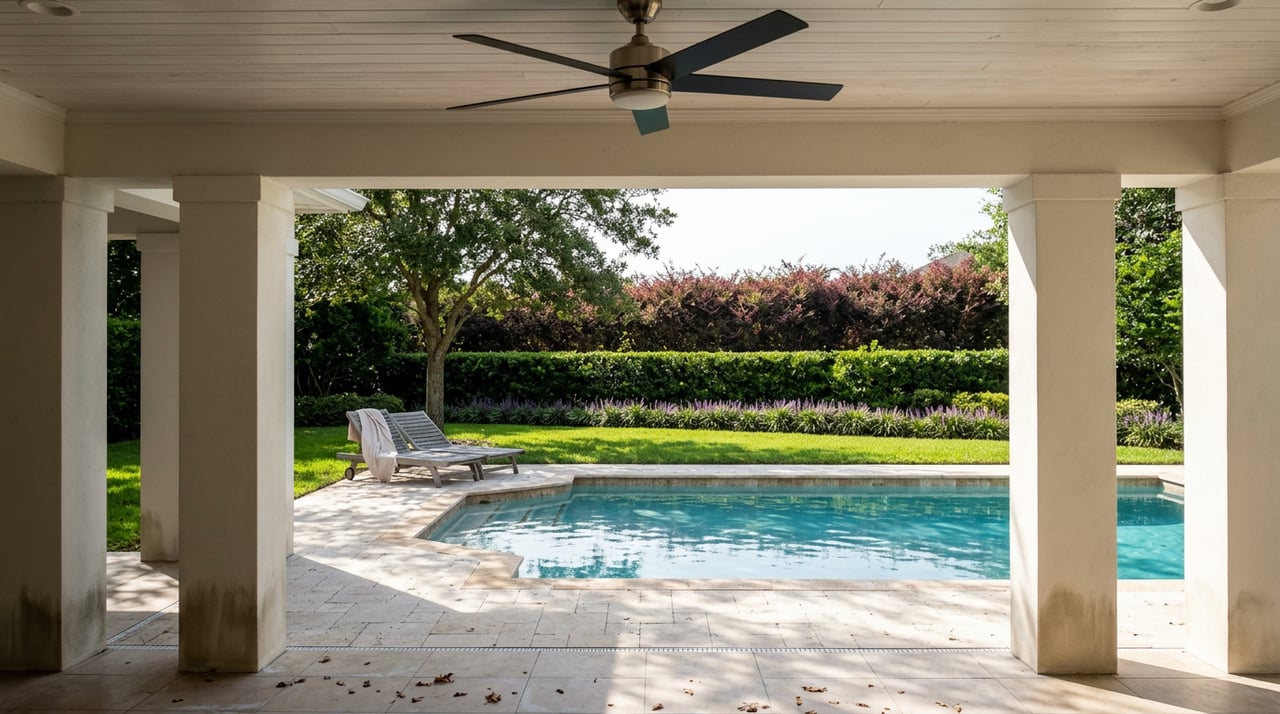
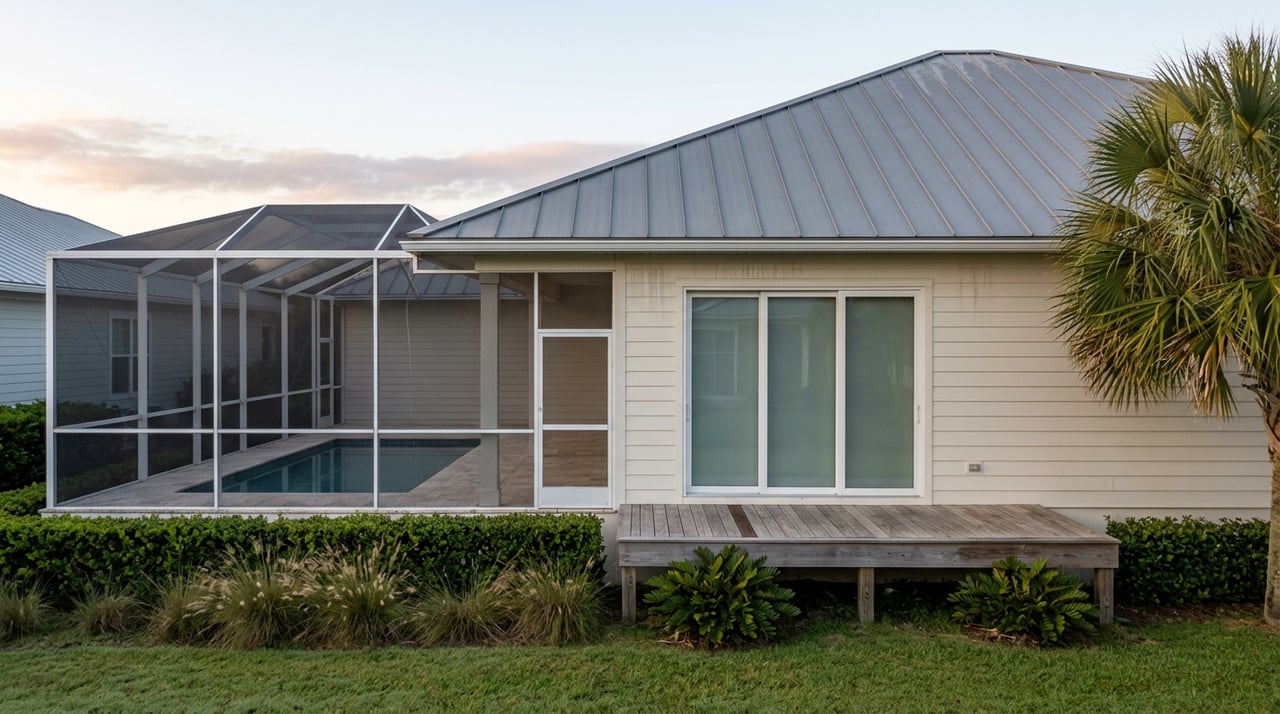
There is a reason the better house on paper still often wins when it is priced and marketed correctly. Everything on the resale is finished. The lot has trees. The fence is in. The blinds hang. The screened lanai is already screened. That is not a talking point; it is roughly $30,000 to $60,000 the buyer will not spend after closing.
The buyer's agent in the room may or may not surface that math. The listing has to surface it first.
There is a second, quieter piece of leverage the resale seller has that the builder does not: representation on both sides of the table. Most of these communities are still selling new homes, and the rule that matters is representation. The friendly agent at the community's sales center works for the builder, not for you. A buyer's agent represents you on price, incentives, the lot premium, the upgrade list, and the contract. A resale transaction is a fairer negotiation from the buyer's side, which is a real advantage for buyers who have already been burned once at a builder table.
The commute pattern in northern St. Johns is also worth naming, because it shapes which buyers walk through which door. A new $41 million portion of County Road 2209 opened on October 28, 2025, connecting SilverLeaf Parkway to International Golf Parkway as a four-lane divided corridor designed to improve traffic flow in northern St. Johns County. That road did two things at once: it made the SilverLeaf sales centers dramatically easier to reach from the CR 210 and I-95 corridor, and it made the older St. Johns resale inventory north of that line easier to tour on the same afternoon. Sellers in Durbin Crossing, Julington Creek, Aberdeen, and the older RiverTown sections should assume the same buyer is seeing both.
Do I have to match the builder's exact rate to compete? No. You have to make the buyer's payment math close enough that the resale's other advantages — finished landscaping, established neighborhood, no design-center overruns — carry the decision. A partial seller-paid buydown often does that work.
Should I just cut my list price instead of offering a concession? Sometimes. But a $10,000 price cut and a $10,000 seller-paid rate buydown look very different on the buyer's Loan Estimate. The buydown typically produces a bigger monthly-payment drop, which is what a payment-shopping buyer is actually solving for.
What about buyers paying cash? Cash buyers are largely rate-agnostic and will compare list price to list price. Price against the strongest comparable resale for that buyer, not against the builder. Two different games, two different pricing strategies.
How long should I plan to be on the market? Plan for 30 to 60 days on a home priced and prepared correctly, and treat anything past day 45 without meaningful showing activity as a signal that the payment story, not the price, needs to be revisited.
Selling in St. Johns right now rewards sellers who stop pricing against last year's comps and start pricing against next weekend's builder tour. If you are thinking about listing a home in Durbin Crossing, Julington Creek, Aberdeen, RiverTown, or anywhere else in 32259 this year, the smartest first hour is spent looking at your home the way a payment-shopping buyer will. Traci Crawford can walk you through the current builder incentives in your specific pocket of St. Johns, model a seller-paid buydown against a straight price cut, and build a listing strategy that competes on the number the buyer is actually solving for. Schedule a Strategy Session when you are ready.
Stay up to date on the latest real estate trends.
Traci Crawford is here to provide support. Her approach focuses on comprehending your preferences and interests, ensuring a memorable and tailored property experience. Reach out to her today!