St. Augustine Condo vs House: How to Choose
June 11, 2026
June 11, 2026
Wondering whether a condo or a single-family home makes more sense in St. Augustine? It is a smart question, especially in a coastal market where ownership costs can look very different after closing. If you are weighing lifestyle, maintenance, insurance, and long-term resale, this guide will help you compare both options with more confidence. Let’s dive in.
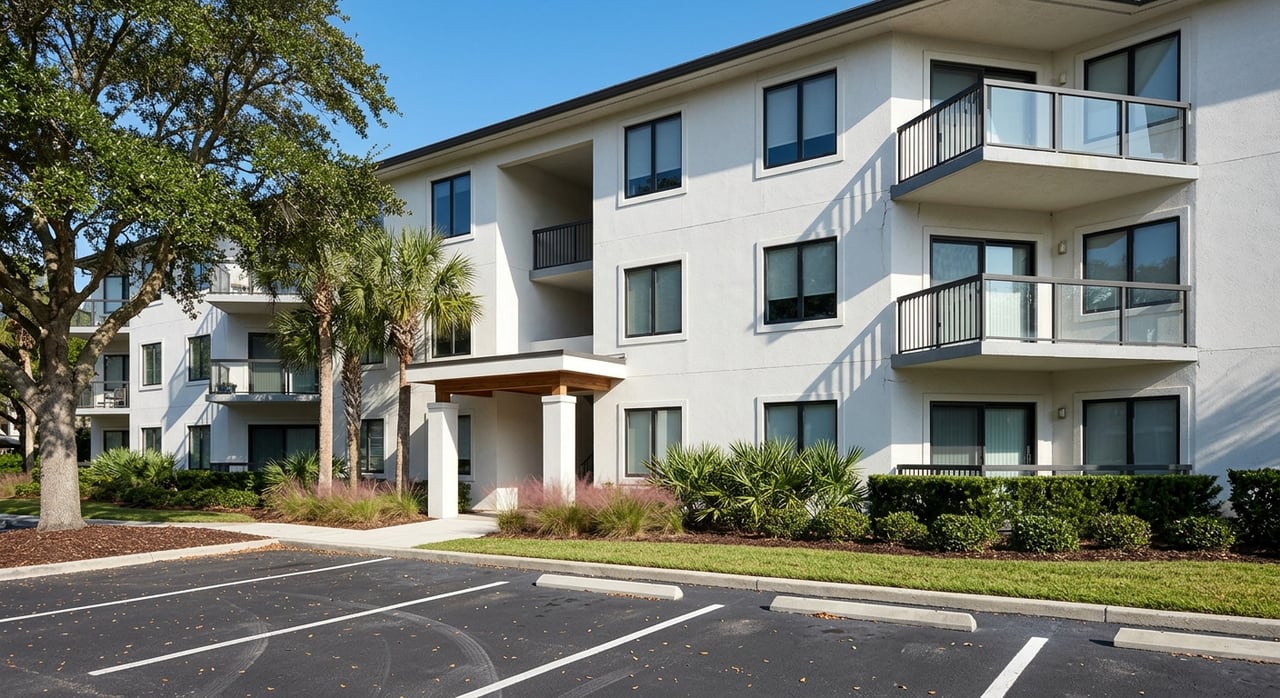
A condo gives you ownership of your individual unit plus an undivided share of the common elements. In Florida, the association is generally responsible for maintaining, repairing, and replacing those common elements. That can make condo living appealing if you want less exterior upkeep on your plate.
There is a tradeoff, though. Condo associations also have governance authority, and Florida law allows the association to enter units during reasonable hours when needed for maintenance work or to prevent damage. If you value a more lock-and-leave lifestyle, that may feel like a fair exchange for shared maintenance.
Condo fees are not just paying for amenities. Under Florida law, common expenses can include operating, maintaining, repairing, replacing, or protecting common elements and association property. Depending on the governing documents, they may also include services such as security or road maintenance.
That means your monthly fee should be treated as part of your true housing cost. A pool, gate, elevator, parking area, or shared grounds may be convenient, but those features are funded through the association budget. In other words, they are not free extras.
In St. Augustine, condo details can vary a lot from one property to another. Parking, storage, and similar features may be limited common elements, which means they are reserved for specific units only if the declaration says so. You should never assume a parking space works like a private driveway until the documents confirm it.
Florida law also gives prospective condo buyers access to key records. These include the declaration, bylaws, budget, annual financial statement, milestone inspection summary if applicable, the most recent reserve study or notice that one has not been completed, and other governance documents. Reviewing those records is one of the most important parts of buying a condo.
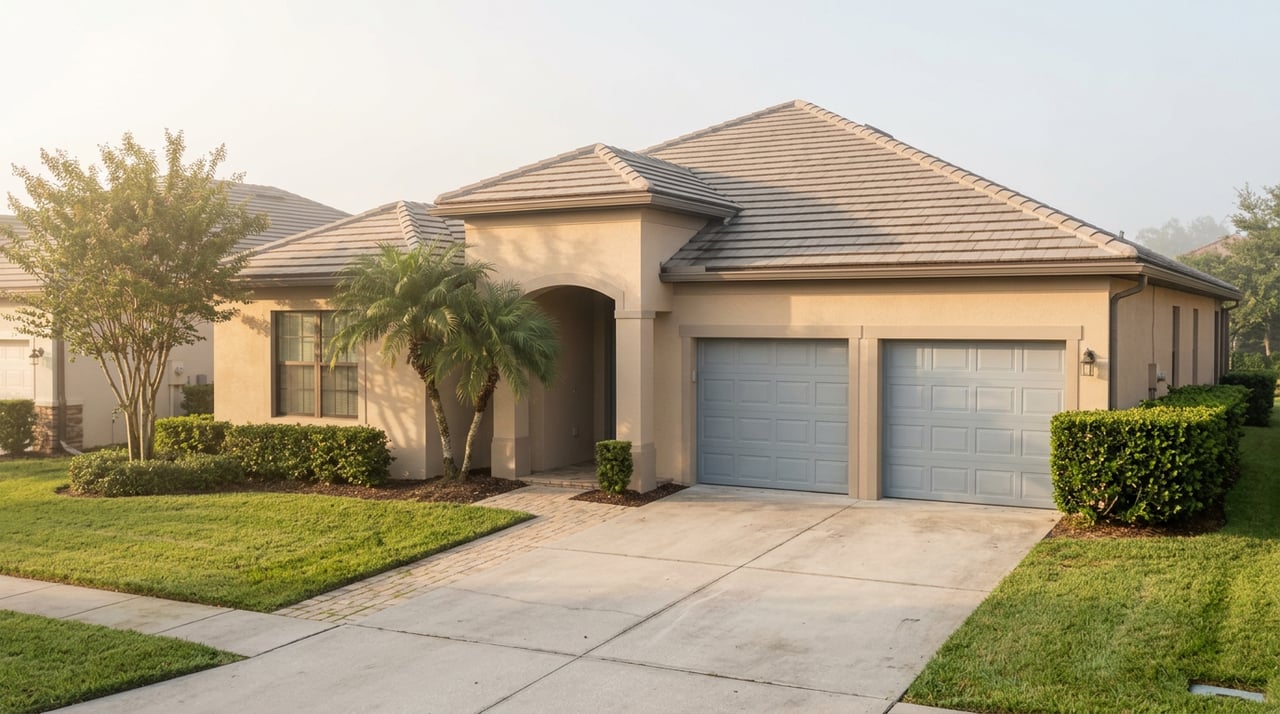
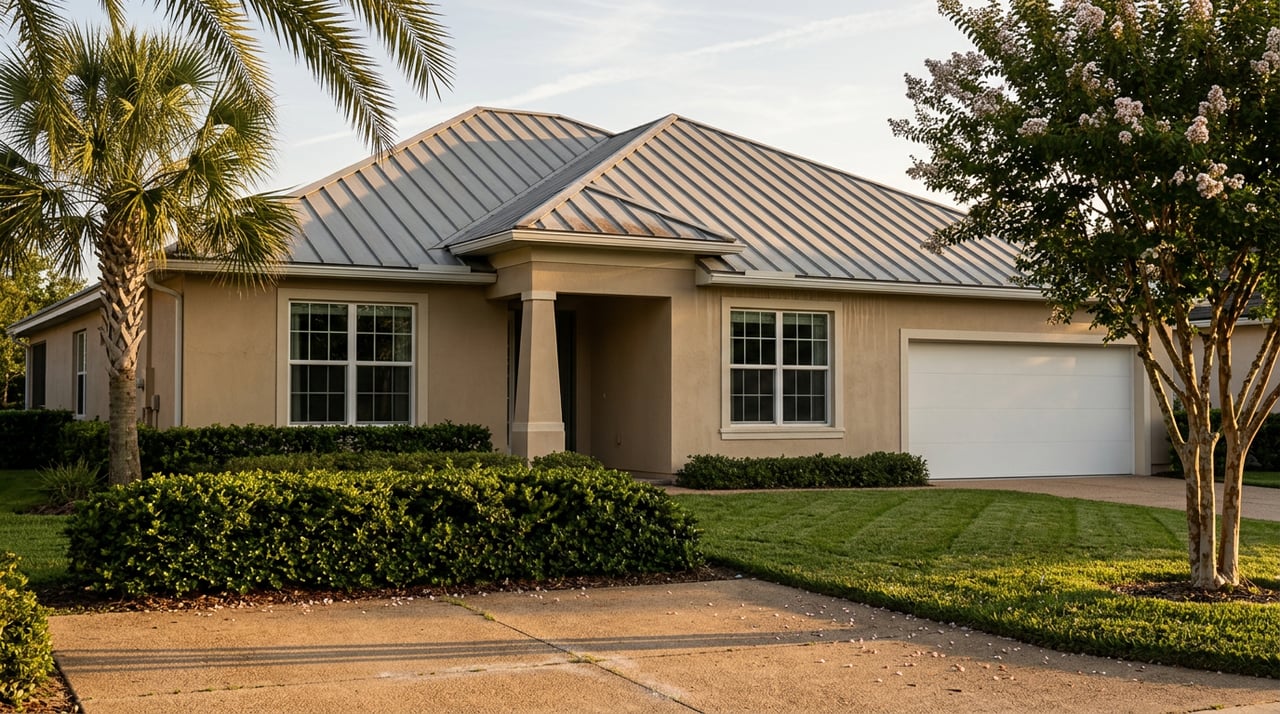
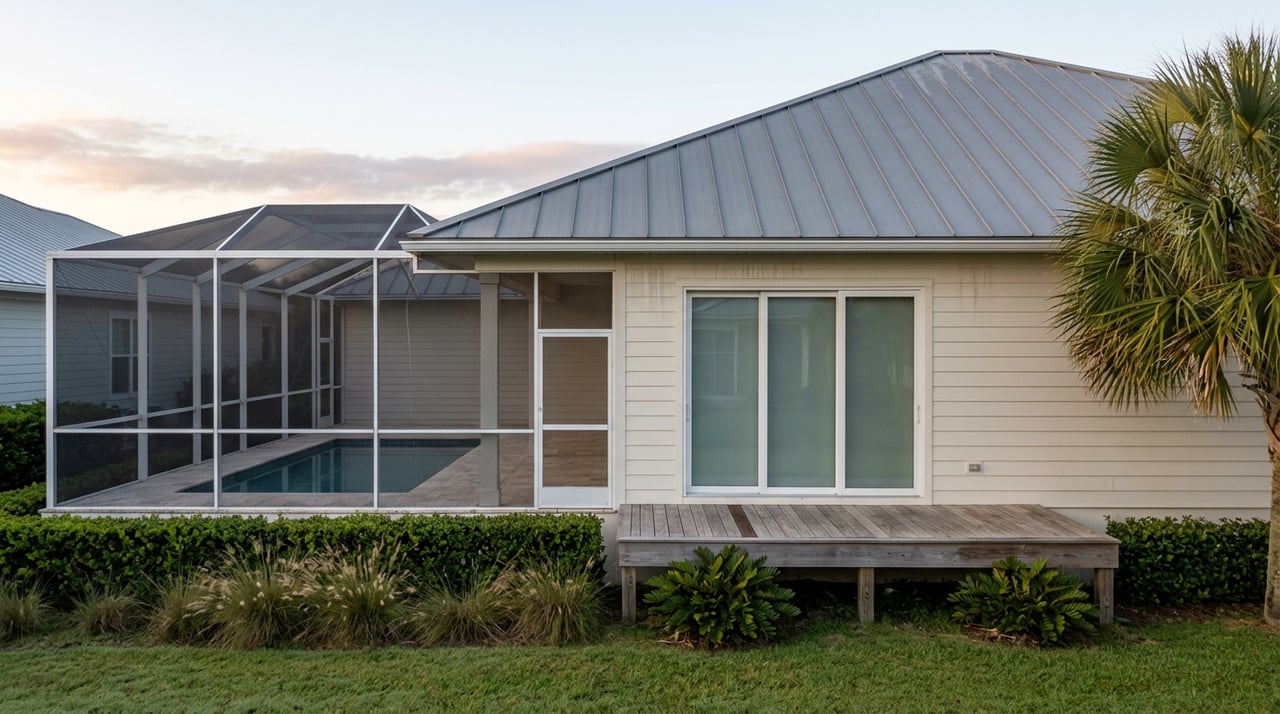
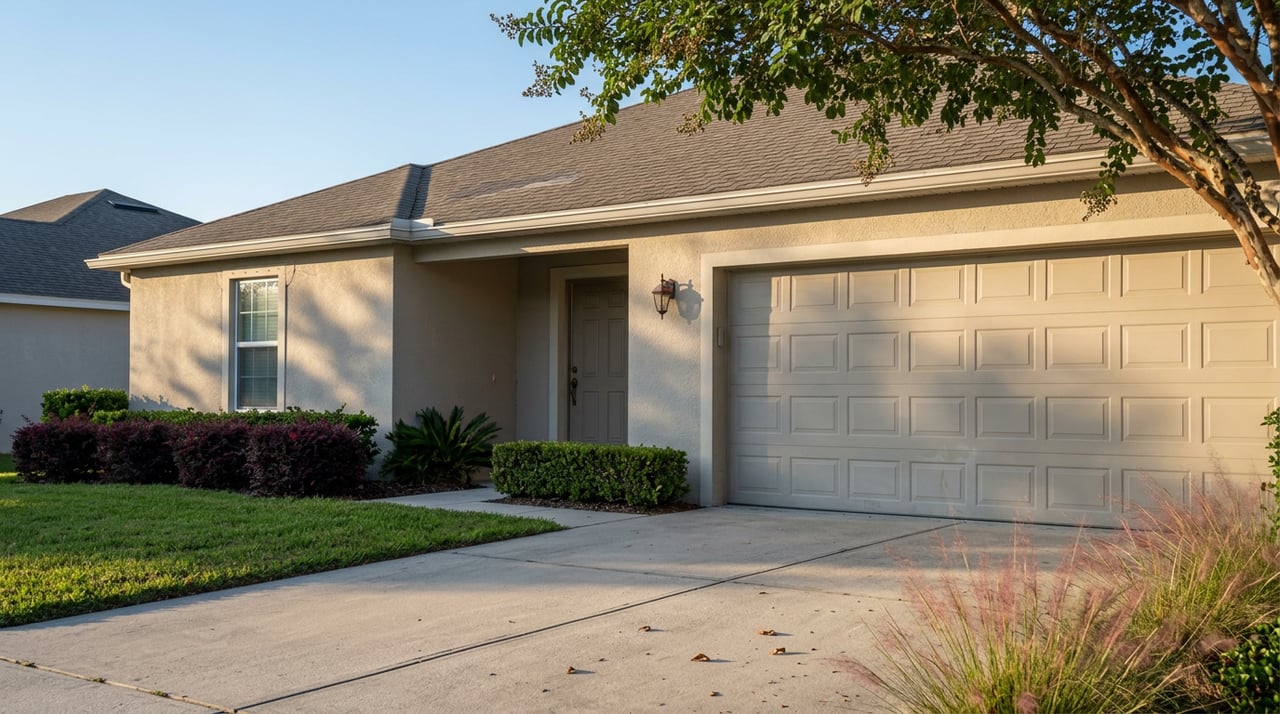
A single-family home usually gives you more direct control over the property. You are not sharing walls, and you are typically making your own decisions about maintenance, repairs, and improvements. For many buyers, that added privacy and autonomy is a major plus.
The flip side is responsibility. A detached-home owner usually carries more of the burden for upkeep, repairs, and replacement outside of any condominium structure. If something needs attention, there is no condo association handling the common areas for you.
Owner-occupied single-family homes are usually insured under a homeowners form such as HO-3. According to the Florida Chief Financial Officer’s consumer guidance, that type of policy generally covers the dwelling, attached structures, personal property, liability, and additional living expenses. For many buyers, that insurance setup feels more straightforward than the shared structure of condo coverage.
That said, flood coverage is usually separate. In St. Augustine and the surrounding coastal parts of St. Johns County, that matters more than many buyers expect. Standard homeowners policies generally do not cover flood losses, so flood insurance should be part of your planning early.
In St. Augustine, flood exposure can be one of the biggest budget variables whether you buy a condo or a single-family home. St. Johns County says local flood hazards are driven by heavy rainfall, seasonal high tides, and especially tidal surges from coastal storms, tropical storms, and hurricanes. That makes flood zone, elevation, and insurance cost part of the property decision, not just an afterthought.
The county also notes that most standard homeowners policies do not cover flooding losses. Flood insurance is usually a separate policy, and National Flood Insurance Program policies have a 30-day waiting period before taking effect. If you wait until the last minute, you may limit your options.
St. Johns County participates in FEMA’s Community Rating System. As of April 1, 2023, NFIP policyholders in the county receive a 25% discount under the county’s CRS Class 5 status. That discount can help soften flood insurance costs in a coastal market, but it does not remove the need to budget carefully.
The county Floodplain Department also issues flood-zone determinations, maintains elevation certificates, and makes substantial-improvement and substantial-damage determinations. Those local details can shape both your upfront decision and your long-term carrying costs.
If you are comparing condos and houses by list price alone, you may miss the bigger picture. In St. Augustine, the better comparison is your full monthly and annual cost of ownership. That includes insurance, maintenance, flood exposure, and for condos, association obligations.
A condo may have a lower exterior maintenance burden, but it can also come with monthly fees and the possibility of special assessments. Florida defines a special assessment as any assessment outside the annual budget. Consumer guidance in the research report notes that associations may assess unit owners when common-area damage is not fully covered by the master policy or when reserves are insufficient.
Florida condo buyers also need an HO-6 policy. State law requires at least $2,000 of loss-assessment coverage, with no more than a $250 deductible per direct property loss. The HO-6 mainly covers personal property, liability, and some interior items that are not insured by the association’s master policy.
That is why condo budgeting should include more than the monthly fee. You also need to understand what the association insures, what your HO-6 policy covers, and whether there is any risk of future assessments.
For some buyers, the decision comes down to how you want to live day to day. A condo often fits people who want low exterior maintenance, shared amenities, and easier lock-and-leave ownership. That can be especially helpful if you are relocating, splitting time between homes, or simply trying to reduce upkeep.
A single-family home often fits buyers who want more privacy, more direct control, and more space around them. If you enjoy managing your property your way, that independence can be worth the added responsibility. Neither option is automatically better. The right choice depends on how you want your home to support your life.
Before you decide, it helps to ask practical questions tied to this market:
Those questions can quickly show which property type fits your priorities.
Your purchase is about today, but resale still matters. In Florida, condos have become more document-sensitive because of updated safety, inspection, and reserve requirements. That can affect marketability, lender comfort, and buyer confidence later on.
Residential condo buildings with three habitable stories or more must have milestone inspections at age 30 and every 10 years after that. In some cases, an earlier age-25 trigger may apply when local circumstances, such as proximity to salt water, justify it. These rules do not apply to buildings under three stories or to single-family, two-family, three-family, or four-family dwellings with three or fewer habitable stories.
Florida also requires structural integrity reserve studies for condo buildings that are three habitable stories or higher. Associations controlled by unit owners and existing on or before July 1, 2022 must complete the study by December 31, 2025, with some timing coordination allowed if a milestone inspection is due on or before December 31, 2026.
For resale, that means buyers are paying close attention to reserve strength, inspection findings, insurance availability, and any pending assessments. Sale contracts after December 31, 2024 must also disclose whether a required milestone inspection, turnover inspection report, or structural integrity reserve study has not been completed. If required disclosures are missing, the contract can be voidable.
A condo may be the better fit if you want simpler exterior maintenance, shared amenities, and a home that is easier to leave and lock. It can work well if you are comfortable reviewing association documents closely and treating the monthly fee as part of your real housing cost.
A single-family home may be the better fit if you want more privacy, more control over the property, and a more familiar homeowners insurance structure. It can make sense if you are comfortable handling upkeep and planning separately for flood coverage when needed.
In St. Augustine, the smartest move is to compare both options through a local lens. Flood zone, elevation, insurance cost, parking rules, reserve funding, and inspection history can all shift the answer from one property to the next.
If you are trying to sort through condos, coastal homes, or a relocation move to St. Augustine, a clear plan can save you time and costly surprises. Traci Crawford offers the kind of steady, detail-focused guidance that helps you compare your options with confidence and move forward with a strategy that fits your goals.
Stay up to date on the latest real estate trends.
Traci Crawford is here to provide support. Her approach focuses on comprehending your preferences and interests, ensuring a memorable and tailored property experience. Reach out to her today!