Everyday Living in St Augustine's Coastal Communities
February 5, 2026
February 5, 2026
What does a typical day by the ocean look like when you actually live in St. Augustine? If you are weighing a move, you want more than pretty views. You want to know your daily rhythm, where you will run errands, and how the seasons and tourism shape life. This guide gives you a clear picture of everyday coastal living across St. Augustine and St. Johns County, plus practical tips to plan your move with confidence. Let’s dive in.
In the Old City, you start your day on foot. You can stroll to coffee along St. George or Aviles Street, pass Flagler College, and step onto the waterfront in minutes. Shops, galleries, and small museums are woven into the streets, so errands and casual lunches happen within a tight walkable grid. During peak seasons and events, expect more crowds, longer waits at restaurants, and tighter parking.
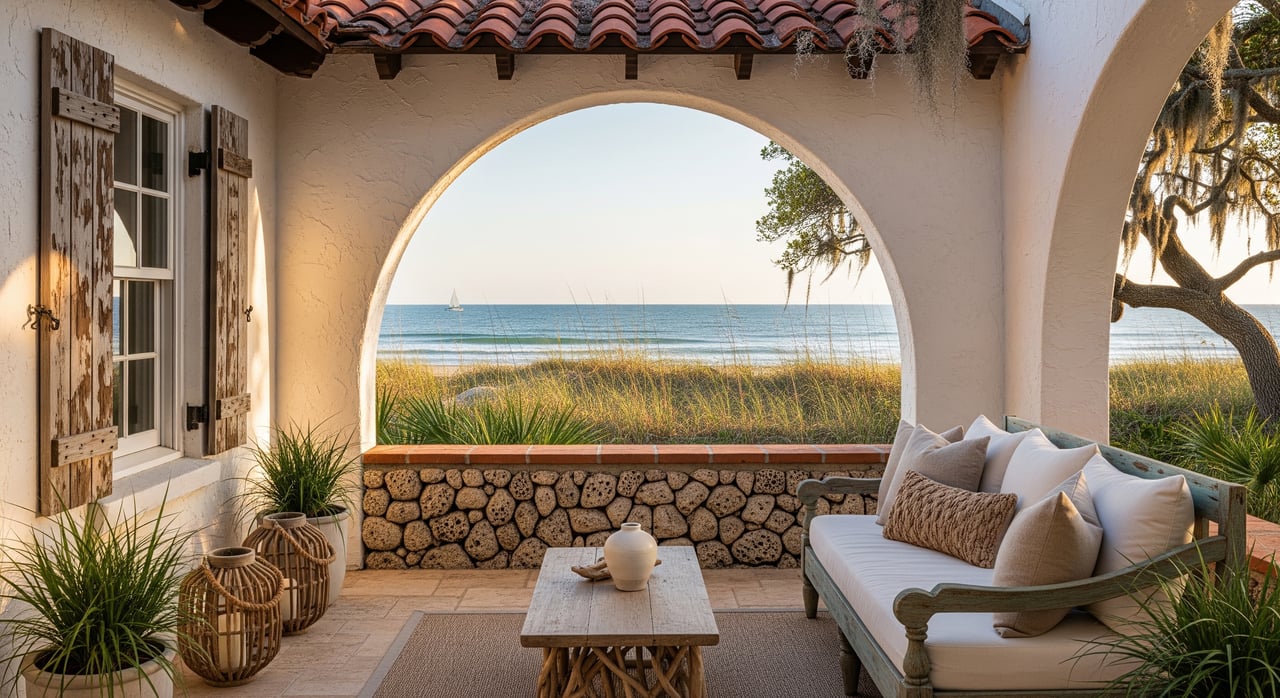
On Anastasia Island and St. Augustine Beach, life leans outdoors. You might walk the sand at sunrise, surf a quick session, or bike to a local café. Many neighborhoods are quiet and residential, while others sit closer to beach access and dining. You will still drive for larger errands, but the ocean sets the tone for your day.
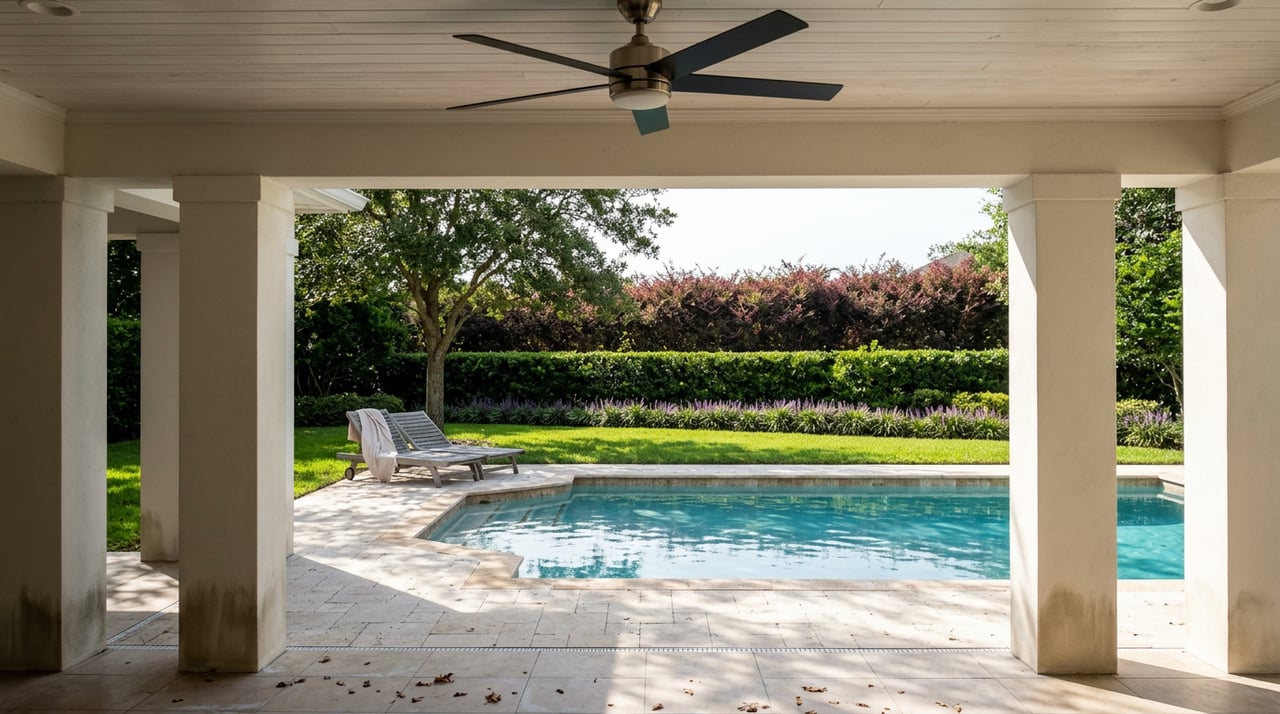
In newer communities across St. Johns County, you get neighborhood pools, trails, and parks. These areas feel more car dependent, but they offer family programming and community events in exchange. Daily life happens within a 10 to 20 minute drive for most errands. If you like new construction, larger yards, and amenities, this setup will fit your routine.
St. Augustine’s subtropical climate means mild winters and hot, humid summers. You will likely shift outdoor time to mornings and evenings in summer, with lighter midday activity. Hurricane season runs June through November, so preparedness is part of the lifestyle. The city also shines in cooler months, with events like the popular Nights of Lights bringing a festive feel to downtown.
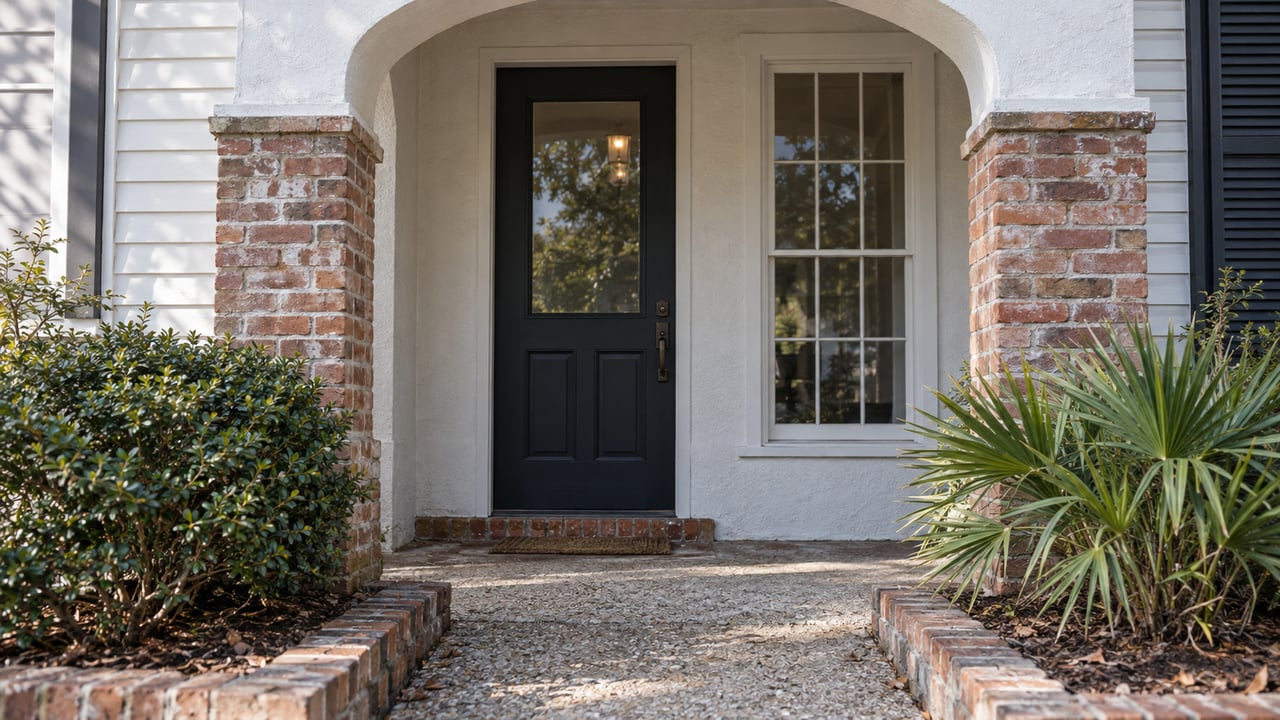
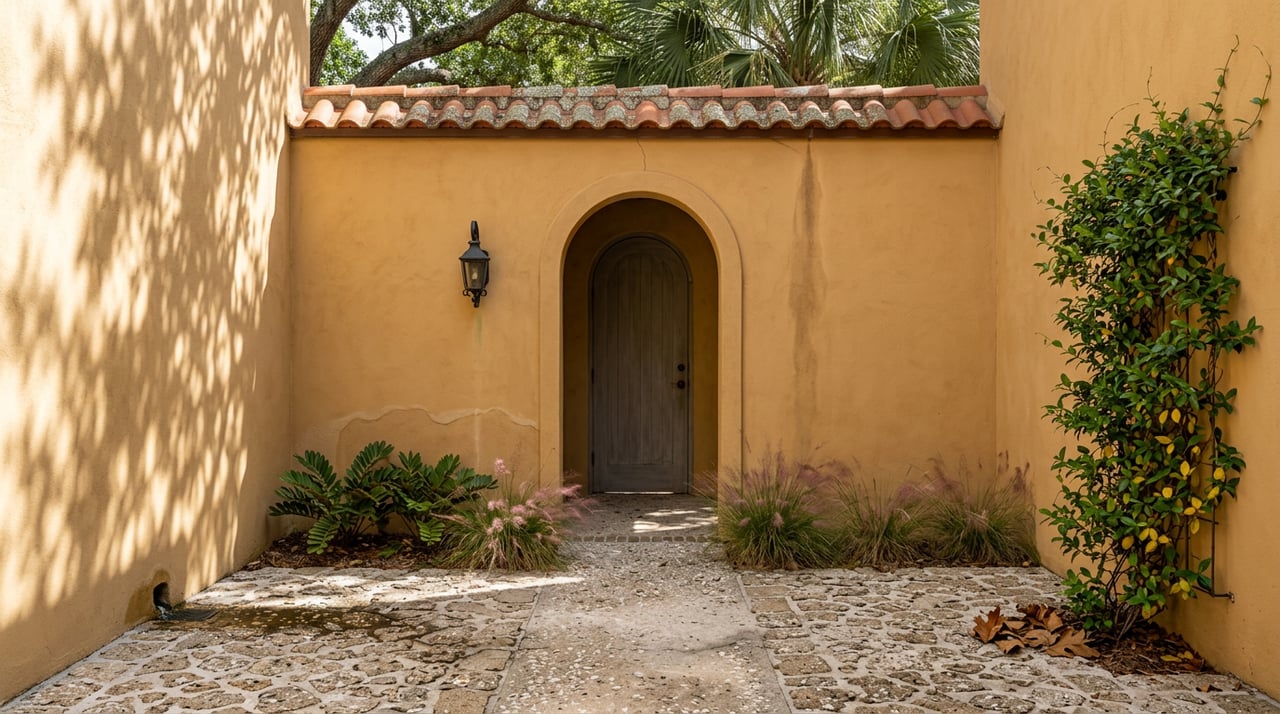
In the historic district, you will see Victorian and Spanish Colonial Revival details, coquina masonry, and narrow streets. Many properties have been renovated, but older homes can need ongoing care. Expect potential updates for plumbing, electrical, or termite treatment, and plan for preservation review if you renovate in a protected zone.
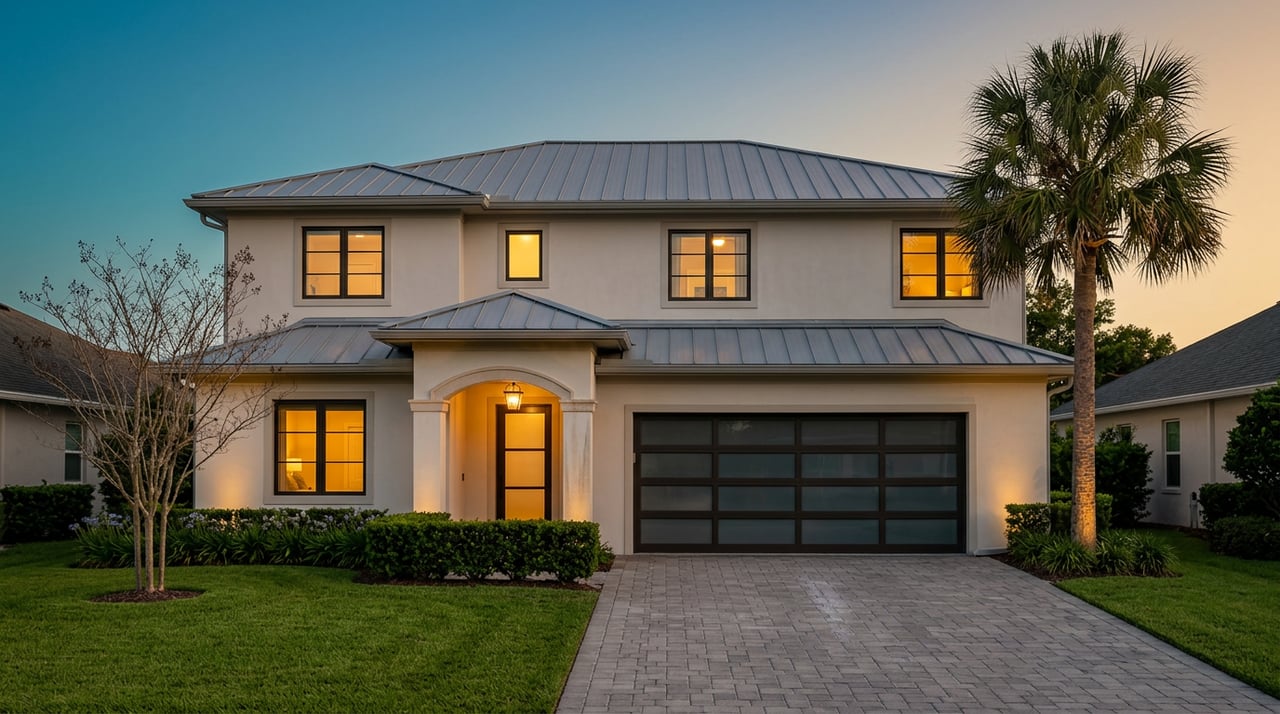
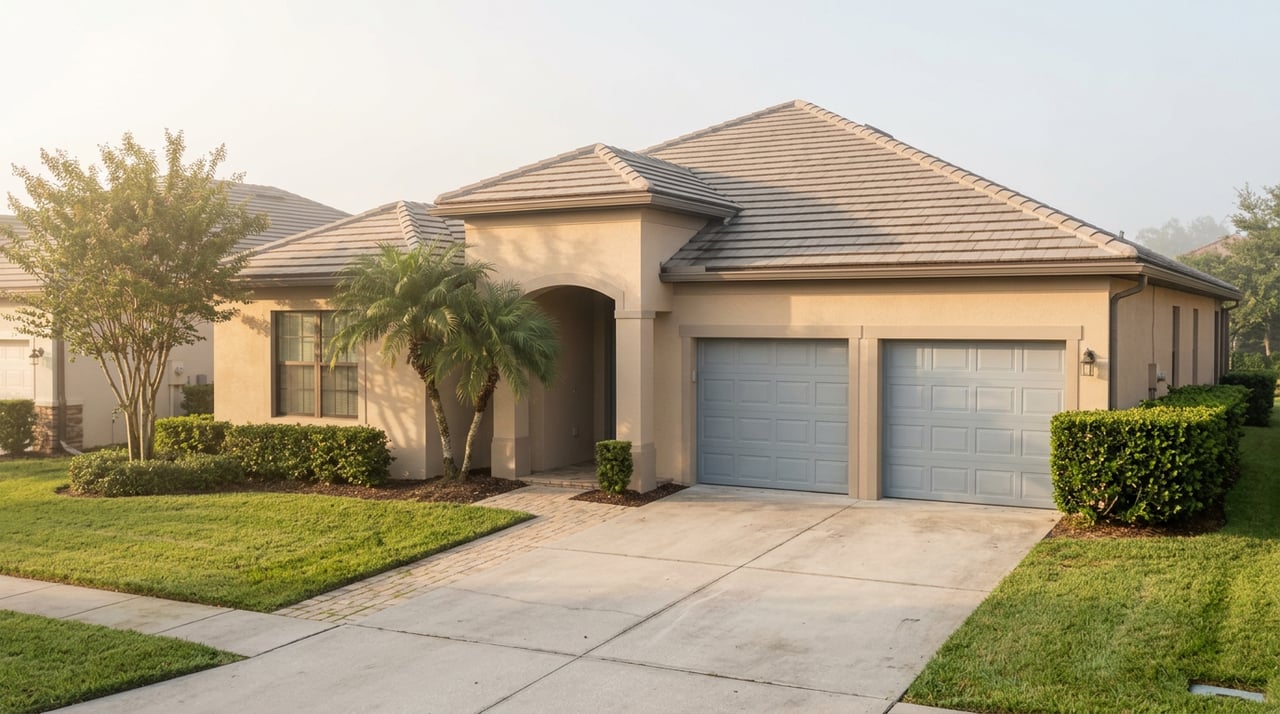
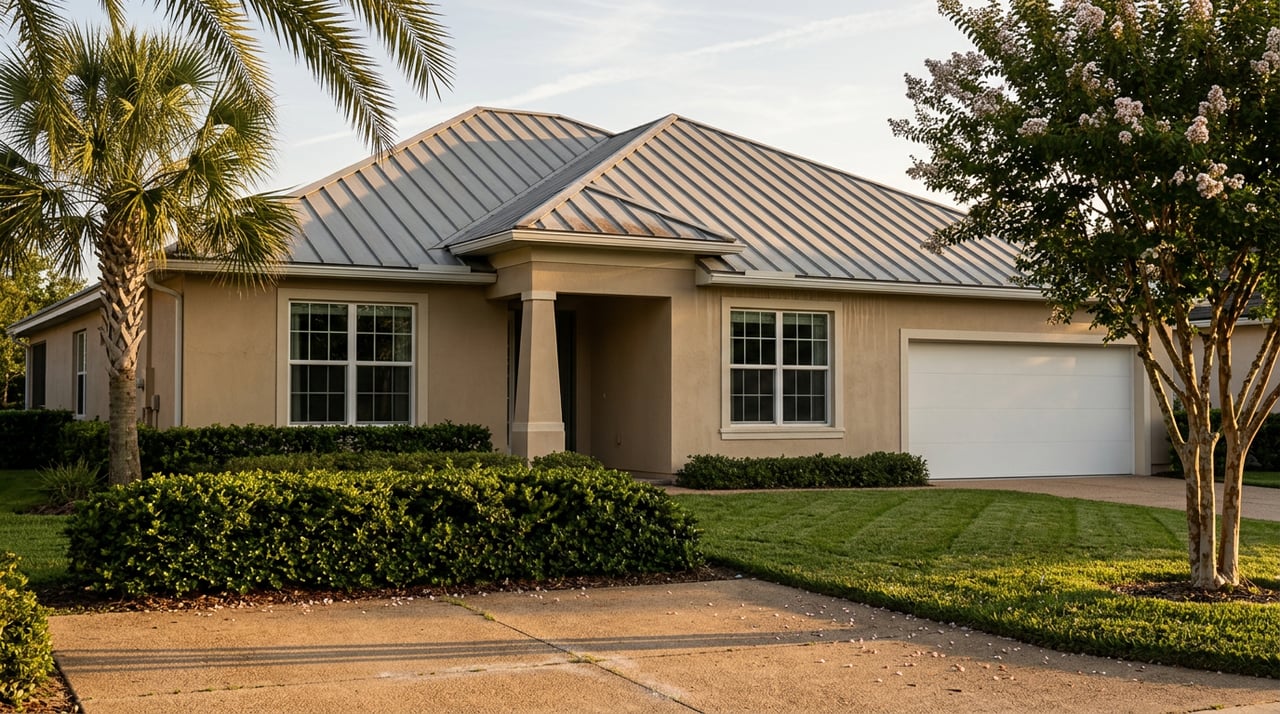
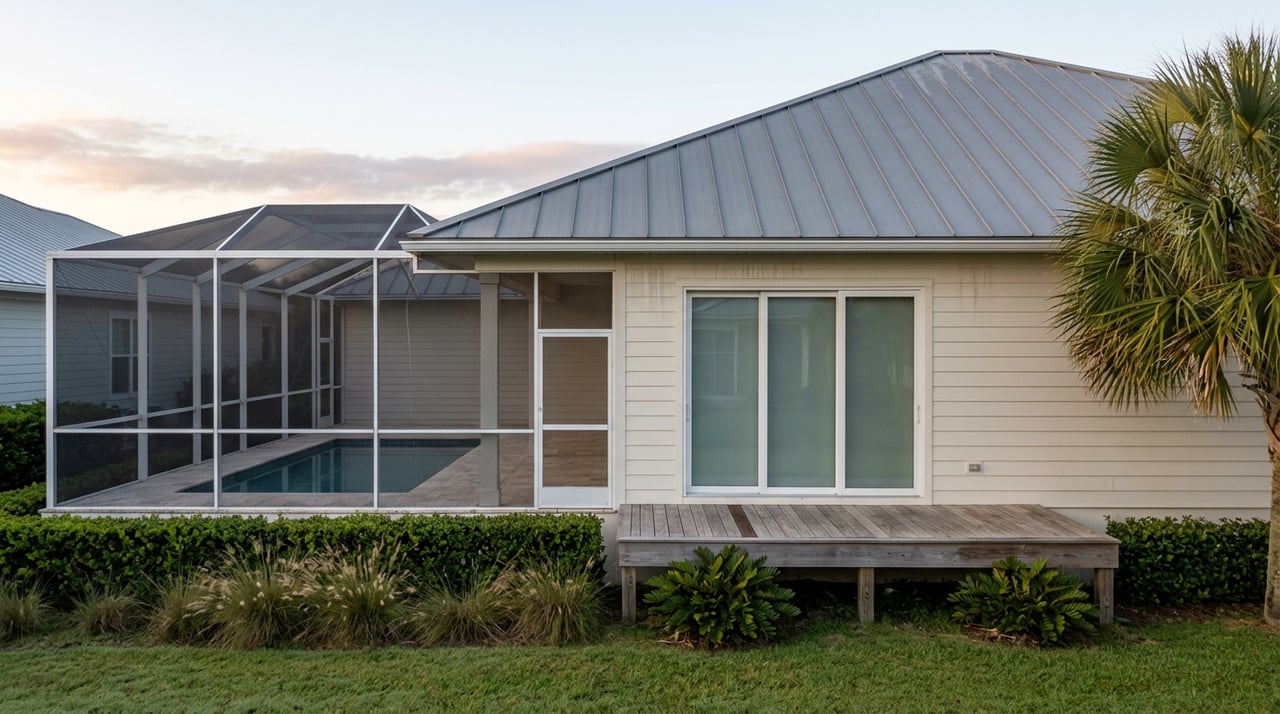
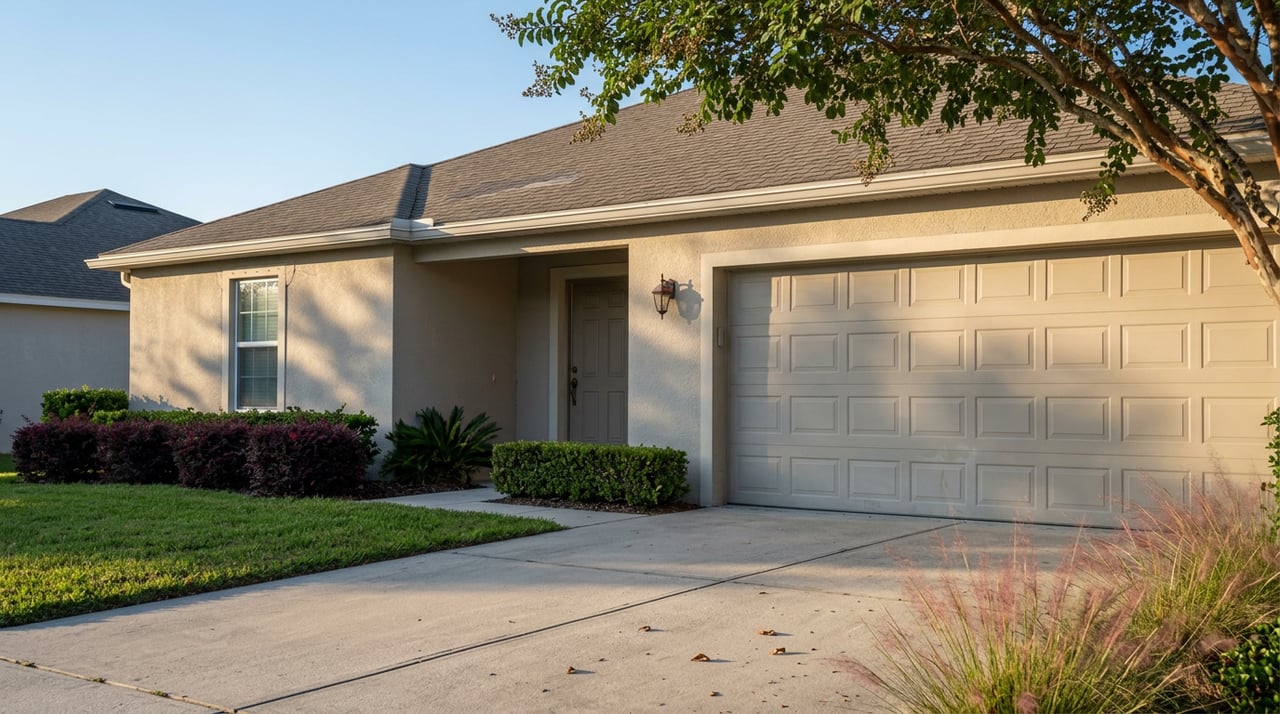
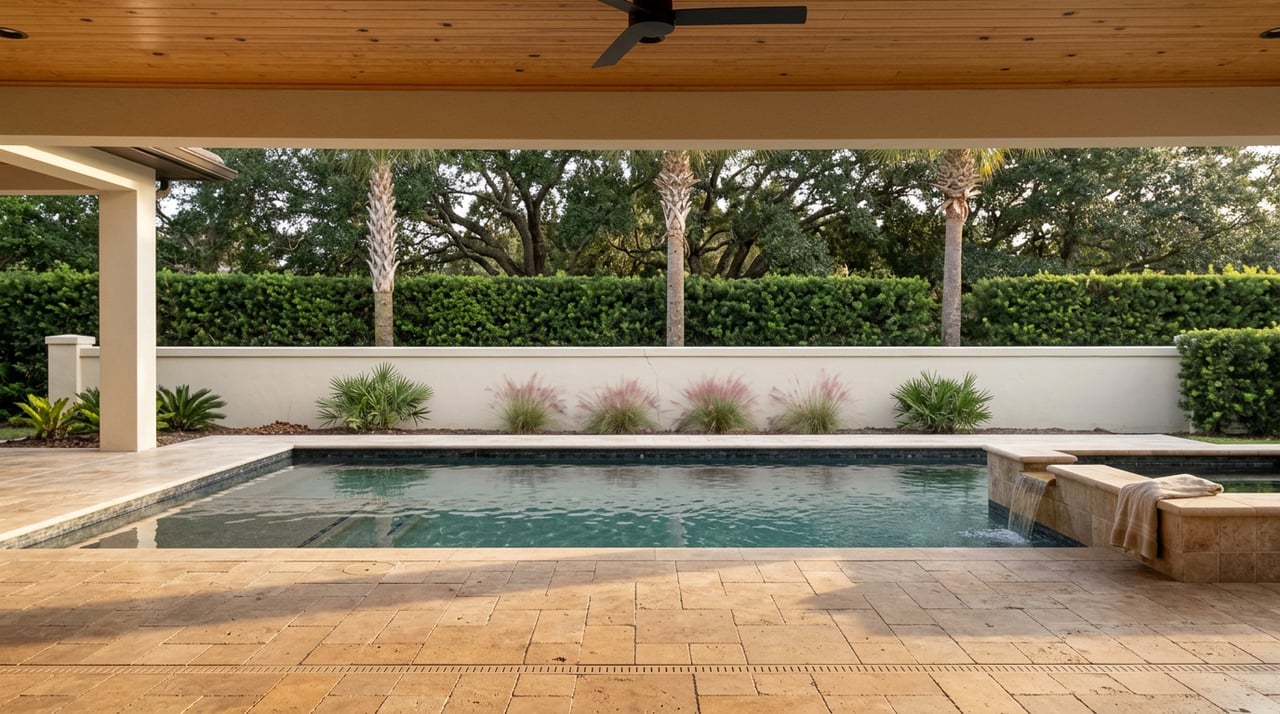
Along the coast and on the islands, you will find classic beach cottages, bungalows, and elevated homes in lower-lying areas. Newer coastal homes often feature stucco, metal roofs, impact-rated windows, and modern floor plans. In master-planned communities, homes lean contemporary with community amenities nearby.
Coastal homes face salt exposure and corrosion, which affect long-term upkeep. Many buyers add wind mitigation features to reduce insurance premiums where possible. Insurance costs in Florida have trended upward in recent years, so it helps to budget for coverage early and verify quotes for specific addresses. In flood zones, lenders may require flood insurance, and elevation certificates can be important.
St. Johns County School District is generally well regarded within Florida. It serves a wide area with public schools, and private and preschool options are available locally. Always verify current school assignments and performance for a specific address before you buy.
A1A, U.S. 1, and I-95 form the backbone of local travel. Outside of the downtown core, most residents drive for daily errands. Jacksonville International Airport is typically a 30 to 60 minute drive depending on where you start and traffic conditions. Public transit exists but is limited, so plan on using a car for most trips.
You will find hospitals, clinics, and urgent care in and around St. Augustine, with larger systems in Jacksonville for specialty care. Grocery stores, pharmacies, and local services are spread across the city and county. For major medical needs, you may travel north for broader options.
Coastal living comes with extra due diligence. Use this checklist during your home search:
For official resources, consult the FEMA Flood Map Service Center and the National Hurricane Center for seasonal guidance.
You can reach multiple beach access points within the city and county, including St. Augustine Beach, Vilano, and Butler Beach. Anastasia State Park offers long stretches of dune-backed shoreline, trails, and a campground. The Intracoastal and Matanzas River provide calm waters for boating, paddling, and fishing. Golfers have choices from public courses to communities with golf amenities.
St. Augustine blends its storied past with a lively calendar. Explore the Castillo de San Marcos, the Lightner Museum, and galleries across the Old City. Seasonal festivals, farmers markets, and live music fill the calendar. For big-picture event planning and visitor tips, check Visit St. Augustine.
You will find casual seafood spots, farm-to-table kitchens, and local breweries across downtown and the beach areas. During peak tourism months and major events, plan ahead for dinner or consider weeknights for shorter waits. Off-season, you can often walk into your favorites without a queue.
Short-term rental regulations vary across the City of St. Augustine and St. Johns County. Some areas require registration or licensing, and occupancy limits can apply. Tourist taxes also apply to short-term stays, and hosts must register and remit those taxes per local rules. Always verify the most current requirements on the City of St. Augustine’s official site and the St. Johns County site before you count on rental income.
You will love St. Augustine if you want a small-city feel with deep history and easy beach access. You can choose a walkable downtown lifestyle, a quieter beach neighborhood, or a newer community with amenities, depending on your priorities. The subtropical climate supports year-round outdoor time, with summer heat and hurricane preparedness as part of normal life. If you value balance between coastal recreation and everyday convenience, this area can be a great fit.
When you are ready to explore neighborhoods, compare commute options, and map a realistic budget, connect with a local advisor who understands both the lifestyle and the logistics. For hands-on guidance tailored to relocating families and timeline-sensitive moves, reach out to Traci Crawford to Schedule a Strategy Session.
Stay up to date on the latest real estate trends.
Traci Crawford is here to provide support. Her approach focuses on comprehending your preferences and interests, ensuring a memorable and tailored property experience. Reach out to her today!