In the Oakleaf Corridor, Your VA Appraisal Protects One Number. Nothing Protects the Other One.
August 27, 2026
August 27, 2026
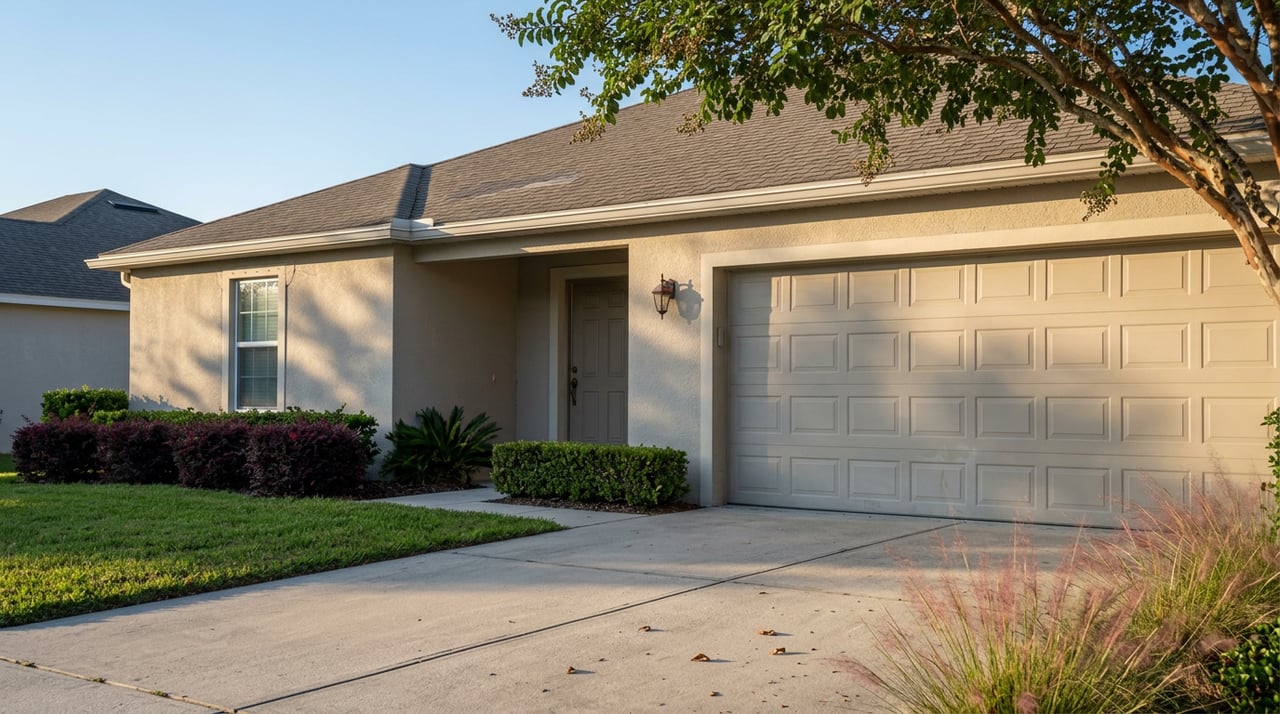
Two homes go under contract in the same week, both inside the same ten-minute drive to the NAS Jacksonville gate, both listed within a few thousand dollars of each other, both financed with a VA loan and zero money down. The appraisals come back clean on both. The buyers close, unpack, and settle in.
Eight months later, one family notices their county tax bill carries a line their neighbor's doesn't. It's not a fee anyone hid. It was sitting on the property record the whole time. Nobody flagged it during underwriting because nothing in the VA process is built to flag it. The appraisal protected them from overpaying for the structure. It had nothing to say about what the structure would cost to carry every month for the next twenty years.
That gap between what a VA loan checks and what it doesn't is the real story in the Oakleaf corridor right now, and it matters more this year than it did last year.
Oakleaf Plantation isn't one price tier wearing one name. The master-planned community sits on more than 6,000 acres in southwest Jacksonville and Clay County, with roughly 1,500 of those acres preserved as natural habitat bordering Jennings State Forest. Inside that footprint, and just outside it, sit neighborhoods built by different builders under different financing structures, and that financing structure is what decides your real monthly number.
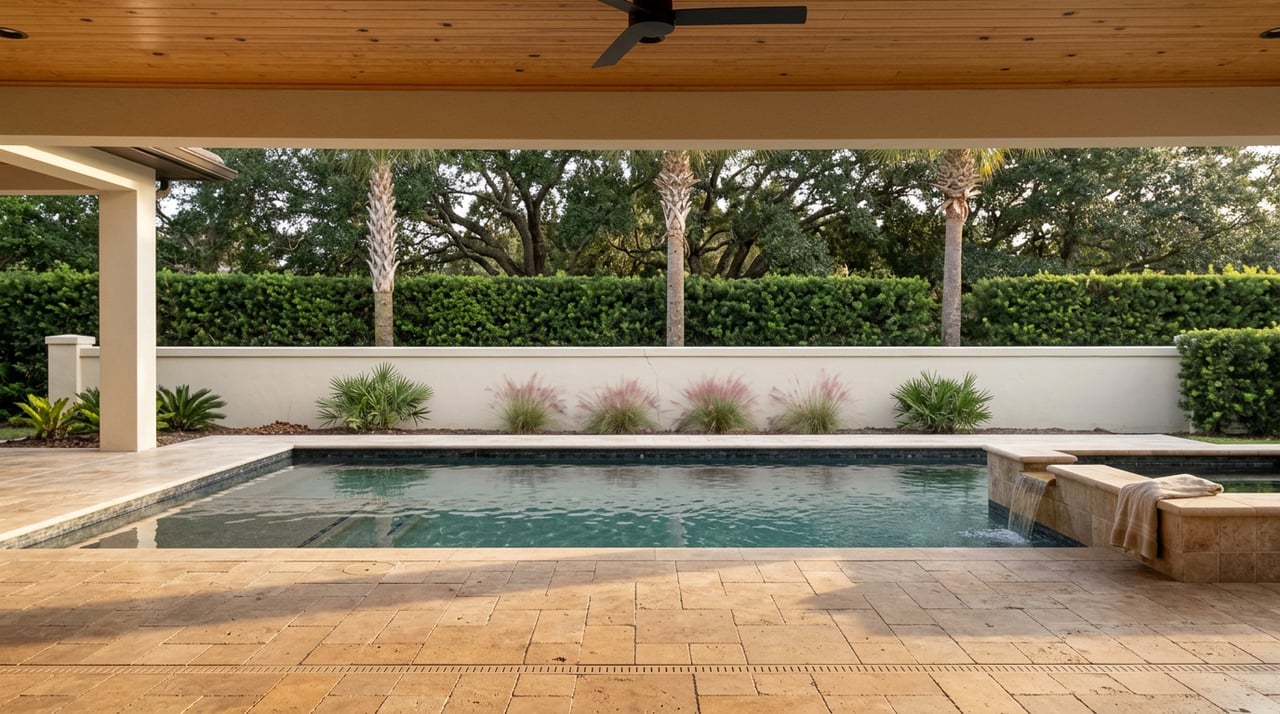
Most of Oakleaf Plantation's original villages were built using a Community Development District. Under Florida's Chapter 190, a CDD is a special-purpose local government that issues bonds to build roads, drainage, and amenity centers up front, then bills residents an annual assessment to repay that debt plus ongoing maintenance. It's a separate, non-ad-valorem line on the county tax bill, distinct from HOA dues, and it's the mechanism that paid for the pools, the fitness center, and the clubhouse that show up in every Oakleaf listing photo.
Right next to that CDD-financed footprint, Richmond American built Waterford Ranch at Oakleaf, a 118-home community off Oakleaf Village Parkway in Orange Park. Sales opened in 2022 with final builder pricing between $370,950 and $439,699 on single-story and two-story Seasons Collection plans, and the builder has since sold out. It carries no CDD fee at all, just an HOA of roughly $72 a month. Buyers there get a newer build and a lighter monthly bill, but they're not automatically buying into Oakleaf Plantation's own amenity campus. It shares the corridor, not the master plan.
Forest Hammock, an enclave inside Oakleaf Plantation itself near the roundabout off Oakleaf Plantation Parkway, is the other exception. Built out by Drees Homes, Mattamy Homes, Pulte, Richmond American, and Standard Pacific starting in 2011, it runs its own HOA, originally around $315 a year, and carries no CDD line either. It has its own playgrounds, a soccer field, tennis and volleyball courts, and a zero-entry pool. Whether that neighborhood-level amenity package substitutes for or supplements the master plan's CDD-funded facilities isn't something a listing sheet will spell out. It's something you confirm before you write an offer, not after.
Resale activity in Oakleaf Plantation right now sorts into three rough tiers. Condos and older small single-family resales sit at the entry point, giving buyers the lowest-cost path into the community's schools and amenities. Mid-range single-family resales and newer pod homes make up the heart of the market, and this is exactly the band where CDD status does the most damage to an apples-to-apples comparison, because two homes that look identical on paper can carry different carrying costs once the assessment roll comes into view. Larger homes and golf-frontage properties in Eagle Landing sit at the top, priced well above the corridor's median and generally less exposed to the CDD-versus-no-CDD confusion because buyers at that level are already doing detailed cost diligence.
That middle tier is where most VA buyers land, and it's where the mistake happens.
A VA appraisal exists to answer one question: does the property support the contract price. It doesn't ask what the property will cost to hold onto every month beyond principal, interest, taxes, and insurance. Lenders do fold recurring CDD assessments into your debt-to-income calculation once they know about them, but that only happens if someone pulls the actual assessment figure for that specific parcel before underwriting locks in. The zero-down VA benefit calculates against the purchase price. It says nothing about the bill that shows up every November on the county tax notice.
This year, the gap matters more because the cushion buyers used to have is thinner. Effective January 2026, Basic Allowance for Housing rates across Northeast Florida dropped roughly 2.4 percent, a small reset but a real one for anyone budgeting a PCS move down to the dollar. Duval County's 2026 conforming loan limit sits at $832,750, which keeps most Oakleaf-area purchases comfortably inside full VA entitlement with no down payment required, but a tighter BAH means the monthly line items outside the mortgage payment carry more weight than they did a year ago.
None of this means the VA loan leaves buyers unprotected. It just protects a different number.
If a VA appraiser believes a home won't support the contract price, the loan process includes a built-in safeguard called the Tidewater Initiative. Here's how it actually plays out:
That process protects the purchase price. It has no equivalent for the CDD line. Nobody triggers a 48-hour window when a home's carrying cost is higher than the buyer expected. The only defense is asking for the actual assessment figure, in writing, tied to that specific address, before the inspection period closes.
If you're comparing homes across the Oakleaf corridor, whether you're PCSing to NAS Jax, working out of the Cecil Commerce Center on Jacksonville's westside, or simply relocating into Clay County's R-1 school zone, the question that actually separates two similar-looking listings isn't the appraised value. It's whether the parcel sits inside a CDD-financed village or one of the corridor's no-CDD pockets, and what that assessment costs today, not what it cost when the bonds were first issued.
That figure lives on the county tax bill and the current CDD budget, not on the MLS sheet. Pulling it before you write an offer, not after your loan is already in underwriting, is the difference between a monthly payment that matches what you budgeted and one that doesn't.
Does a VA appraisal check for CDD assessments? No. The appraisal values the land and structure against recent comparable sales. It does not evaluate recurring non-ad-valorem assessments like a CDD fee, even though your lender will typically include that assessment in your debt-to-income calculation once it's disclosed.
Is a CDD assessment the same as HOA dues? No. HOA dues are set by a private association and typically fund landscaping, covenant enforcement, and community programs. A CDD assessment is levied by a public special district under Florida Chapter 190 to repay bonds used for infrastructure and major amenities, and it appears as its own line on the county tax bill.
Can I find out a home's CDD status before making an offer? Yes. The county property appraiser's records and the district's own budget documents will show whether a specific parcel carries a CDD assessment and what the current annual figure is. Confirming this before you waive contingencies is worth the extra day it takes.
If you're weighing homes across the Oakleaf corridor and want the CDD math run side by side before you write an offer, Traci Crawford can pull the actual numbers for the addresses you're considering. Schedule a Strategy Session and get the full carrying-cost picture before you're locked into underwriting.
Stay up to date on the latest real estate trends.
Traci Crawford is here to provide support. Her approach focuses on comprehending your preferences and interests, ensuring a memorable and tailored property experience. Reach out to her today!