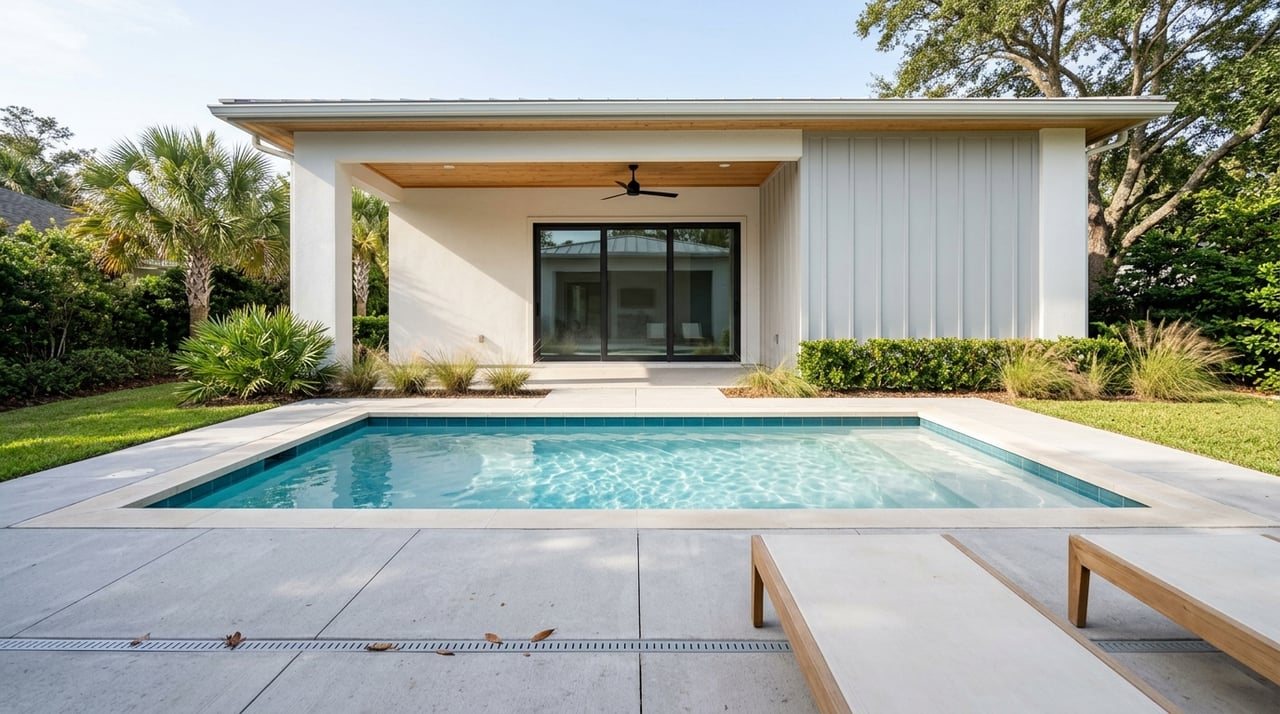
Is an Amelia Island Second Home the Right Retreat?
June 18, 2026
June 18, 2026
Dreaming about a place where your weekends start with salt air and end with a walk through a historic downtown? If Amelia Island has been on your mind, you are not alone. For many buyers, owning here feels less like buying a second property and more like creating a true personal escape. Let’s look at what ownership on Amelia Island really feels like, along with the practical details you will want to plan for.
Amelia Island has a setting that naturally supports a retreat lifestyle. It is a compact barrier island that stretches 13 miles long and about two miles wide in Nassau County, about 30 minutes from Jacksonville and less than 30 minutes from Jacksonville International Airport. That easy access matters when you want a getaway that does not feel hard to reach.
What makes the island stand out is the mix of experiences in one small area. You have beaches on the east side, salt-marsh estuaries on the west, and the historic core of Fernandina Beach in the middle of it all. That combination gives everyday ownership a slower, more memorable rhythm.
Owning a retreat on Amelia Island often means your time here feels intentional. You are not trying to fill an oversized destination with endless plans. Instead, you can settle into a pattern that feels simple, relaxing, and easy to repeat.
Amelia Island offers 13 miles of beaches, and that shapes the entire ownership experience. Whether you want an early morning walk, an afternoon in the sun, or a quiet evening by the water, the beach is not just an occasional outing. It becomes part of your normal routine.
Fernandina Beach includes many public beach access points, including Main Beach, which offers parking, ADA access, and a Mobi-Mat. At the southern end of the island, Amelia Island State Park protects more than 200 acres, while Fort Clinch adds shoreline, trails, and fishing opportunities. If you picture a retreat as a place where the outdoors is always within reach, Amelia Island delivers on that idea.
Historic downtown Fernandina Beach gives the island another layer of appeal. The downtown historic district reflects late-19th- and early-20th-century development, and the area includes 50 walkable blocks. Centre Street serves as the main artery, stretching about eight blocks through shops, cafes, breweries, and restaurants.
For owners, this means you can enjoy a change of pace without losing the relaxed feel that brought you here in the first place. A beach day can turn into dinner downtown without a long drive or a complicated plan. That convenience is a big part of why Amelia Island feels like a retreat rather than just a place to stay.
If your ideal retreat includes movement, nature, and open space, the island gives you plenty of options. Official island and park resources highlight biking, kayaking, shelling, eco-tours, and wildlife viewing. Egans Creek Greenway alone offers more than 300 acres of walking and bicycling trails.
Golf is also part of the island lifestyle, with 99 holes of championship golf highlighted by local tourism resources. You can spend a weekend rotating between the beach, the course, nature trails, and downtown. The experience feels full, but not hectic.
Part of owning a retreat is knowing how the island changes throughout the year. Amelia Island’s tourism information describes spring as breezy and mild, summer as warmer with sea breezes, autumn as less rainy, and winter as drier and comfortable. NOAA climate normals for Fernandina Beach show a mean annual temperature of 70 degrees and annual precipitation of about 49.93 inches.
That creates a recognizable seasonal rhythm for owners. Winter often feels quieter, while summer and holiday periods tend to be more active. If you are considering part-time ownership, this pattern can help you think through when you want to visit most often and how you want the home to function during busier and quieter stretches.
A retreat only works well if getting there feels manageable. Amelia Island’s location makes it especially appealing for buyers who want a coastal property without a difficult travel day. Being about 30 minutes from Jacksonville and less than 30 minutes from Jacksonville International Airport makes arrivals and departures simpler.
That convenience can matter even more if you are balancing a demanding job, family schedule, or relocation timeline. For buyers in Northeast Florida and beyond, Amelia Island offers a sense of separation without feeling isolated. You can step away, recharge, and still stay connected to the practical parts of life.
As appealing as the lifestyle is, owning a retreat on Amelia Island also comes with coastal responsibilities. This is where a calm, informed approach matters. A beautiful setting and smart preparation should go hand in hand.
Nassau County says flood hazard areas are mapped on FEMA Flood Insurance Rate Maps, with high-risk zones including A, AE, Coastal AE, and VE in unincorporated areas. The county also notes that coastal flooding can result from tropical cyclones, storm surge, higher-than-average tides, waves, or wind. For a coastal home, flood-zone review should be part of your early due diligence.
This is especially important if you are comparing properties with different locations, elevations, or access to water. Insurance costs and risk profiles can vary, so it helps to understand those details before you fall in love with a home based on the view alone.
Amelia Island’s weather page notes that the Atlantic hurricane season runs from June through November, with peak season from mid-August to late October. Nassau County’s emergency-preparedness guidance also points owners to hurricane repair permits, floodplain permits, and post-storm rebuilding rules. In practical terms, that means coastal ownership comes with a need for a plan.
If this will be a part-time property, seasonal inspections, storm prep, and post-event repair coordination become even more important. You want to think ahead about how the home will be checked, secured, and maintained when you are away.
A retreat home still needs regular attention. Salt air, weather exposure, and seasonal storm preparation can create a maintenance rhythm that differs from an inland property. Owners who are realistic about that from the start tend to feel more confident and less surprised later.
This does not mean ownership becomes burdensome. It simply means your plan should match the property and your usage pattern. A disciplined approach is often the difference between a retreat that feels easy and one that feels stressful.
If Amelia Island will be a second home or retreat rather than your permanent residence, your property tax treatment may differ from a primary home. Florida’s Department of Revenue says homestead exemption is based on the property being the owner’s permanent residence. The same agency says that if a property is not homestead, its assessed value increase is limited to 10 percent per year, while homestead property is capped at 3 percent or CPI, whichever is less.
That does not tell you what your exact tax bill will be, but it does highlight an important planning point. Buyers should go into the process understanding that a retreat property may not receive the same tax treatment as a primary residence.
Some buyers consider occasional rental income as a way to offset ownership costs. On Amelia Island, that idea needs careful verification before you build it into your plan. In Fernandina Beach, vacation and short-term rentals are classified as Resort Rentals, and the city requires a Resort Rental Dwelling Permit.
Eligibility is limited to R-3 zoning or certain R-1 and R-2 properties with grandfathered status. For all other zoning districts, the city treats rentals of 30 days or more as long-term rental. The city also requires the permit number on advertisements, a 24/7 local contact, annual life-safety inspections, compliance with city trash rules, and notice to the homeowners or condo association.
Before applying to the city, owners must also obtain the state lodging license, state sales tax registration, Nassau County tourist development tax registration, and a city local business tax receipt. Florida’s Department of Revenue also says transient rentals of six months or less are subject to state sales tax and local transient rental taxes, and Nassau County’s listed rate applies only to Amelia Island ZIP code 32034. If rental potential matters to you, zoning, licensing, and tax treatment should be confirmed early.
Amelia Island can be a strong fit if you want a home that supports regular escapes, seasonal stays, or a slower coastal routine. It often appeals to buyers who value convenience, scenic surroundings, walkability, and a less oversized beach-market feel. It can also make sense for relocating buyers or future retirees who want a property that feels special today and useful later.
The best fit usually comes down to expectations. If you want a retreat that combines beach access, nature, golf, and a walkable downtown in a compact setting, Amelia Island offers a rare blend. If you also go in with a clear plan for insurance, maintenance, taxes, and any rental goals, ownership can feel far more rewarding.
Owning a retreat on Amelia Island is about more than square footage or a map pin. It is about having a place that lets you slow down, reconnect, and enjoy a coastal lifestyle that feels both polished and grounded. If you want help evaluating the right property and building a smart plan around how you will actually use it, Traci Crawford can help you take the next step with clarity and confidence.
Stay up to date on the latest real estate trends.
Traci Crawford is here to provide support. Her approach focuses on comprehending your preferences and interests, ensuring a memorable and tailored property experience. Reach out to her today!